
Single-turn continuous wave spring force | Gap compensation & preload retention | OEM/ODM
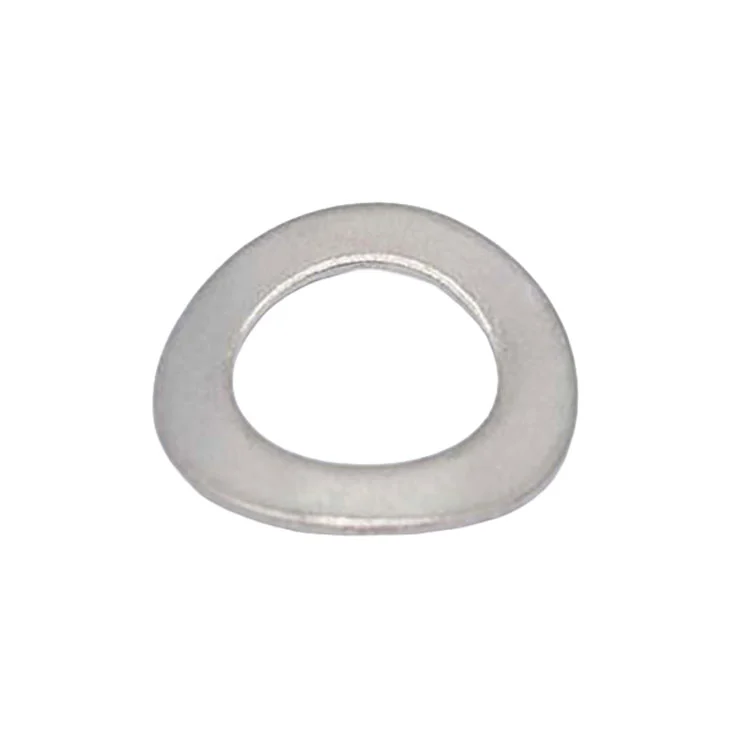
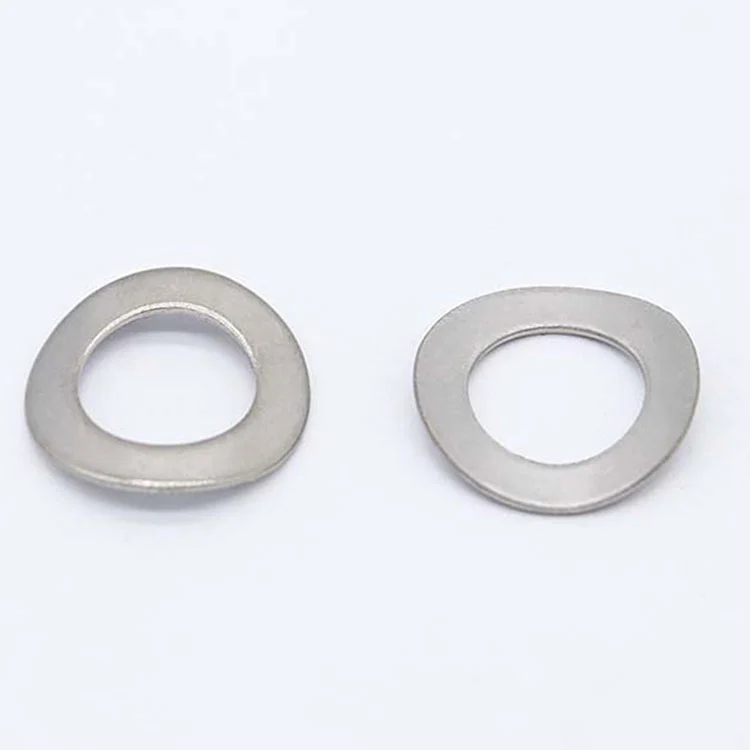
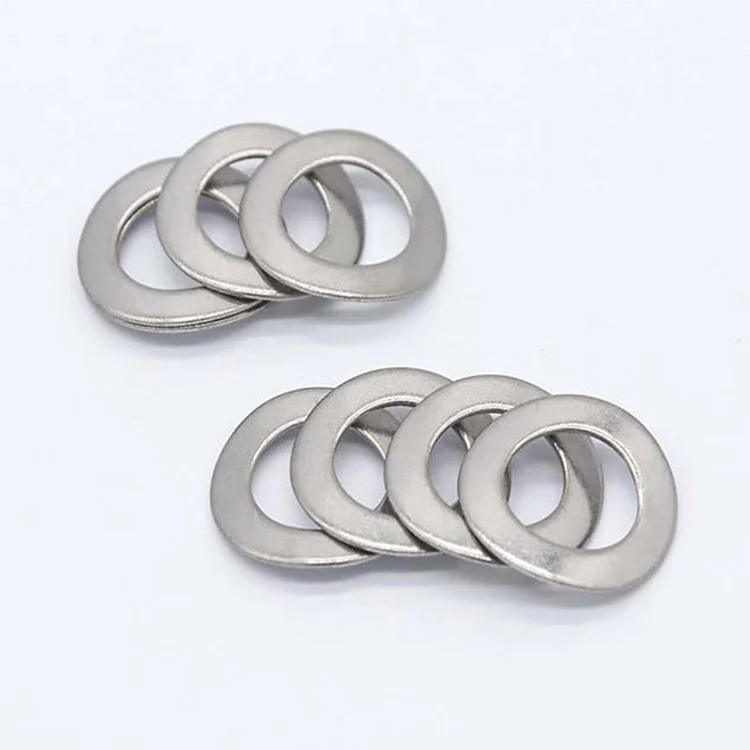
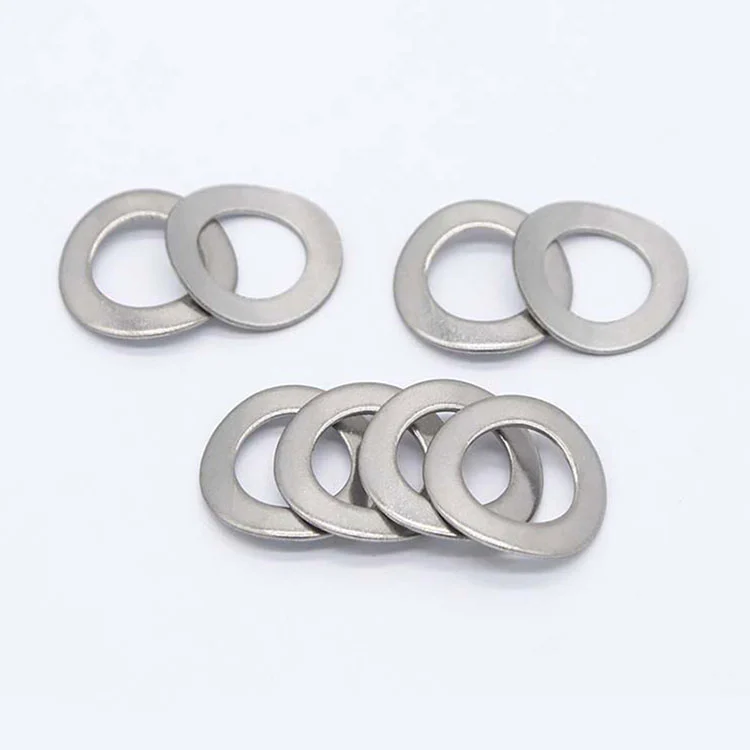
DIN 137A curved spring washers are single-wave spring washers used where a bolted joint needs controlled axial spring movement rather than only load distribution. Available in AISI 304, AISI 316 and 65Mn, they provide elastic preload to compensate for assembly tolerances, thermal expansion and minor axial movement. Standard DIN 137A sizes, custom dimensions, stamped production and OEM/ODM orders are available from Ningbo Yinzhou Zhenhua.
Stamping parts manufacturer
Owned factory
Stamping capacity · 120 presses up to 450 T
Quotation response
|
||||||||||||||||||||||||||||||||||||||||||||||||||||||||||||||||||||||||
|
||||||||||||||||||||||||||||||||||||||||||||||||||||||||||||||||||||||||
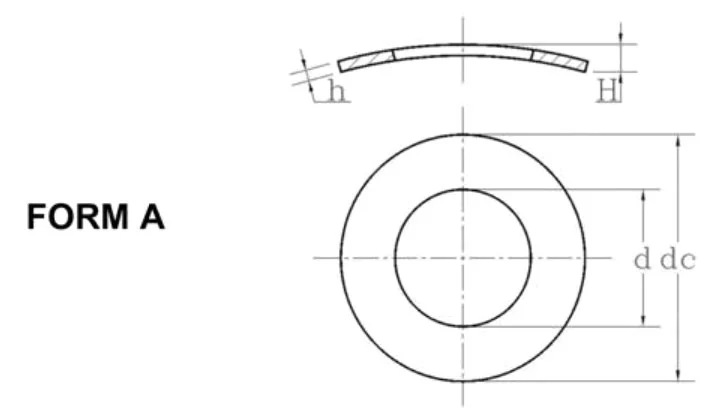
DIN 137A Curved Spring Washers are not simply flat washers with a different shape. Their function stems from their unique curved profile. When the washer is compressed between the fastener and the mating surface, the curved portion deforms, generating axial elasticity. This deformation compensates for minor changes in connection dimensions that would otherwise reduce clamping force.
Common causes of this deformation include: variations in assembly tolerances, thermal expansion and contraction, small axial clearances, component settlement, and displacement due to vibration.
Therefore, the function of DIN 137A washers differs from that of ordinary flat washers. The primary function of flat washers is to distribute bearing loads; while DIN 137A washers add elastic deformation and preload compensation.
However, in connections where bolt rotation must be prevented, DIN 137A washers should not be considered a replacement for dedicated positive locking systems.
The most important selection point is not simply the washer diameter. It is the available spring travel and required axial force.
DIN 137A uses a continuous curved profile. During compression, the complete curved section participates in the spring action.
For applications requiring a different force-deflection characteristic, the washer should be selected by its actual dimensions, material and spring requirements rather than by diameter alone.
|
|
|||||||||
|
Procurement note: DIN 137A and DIN 137B should not be substituted solely because the nominal bore is the same. Their profiles and spring characteristics are different.
DIN 137A Curved Spring Washers are formed by stamping, so tooling accuracy and forming consistency directly affect the finished profile.
Ningbo Yinzhou Zhenhua's manufacturing process covers stamping, progressive tooling and machining, with tooling design and maintenance handled internally. For drawing-based orders, the production review can cover:
Drawing review → material confirmation → tooling/forming → sample inspection → production → batch inspection
For repeated orders, the approved drawing and production parameters provide a reference for maintaining dimensional consistency between batches.
The company operates an IATF 16949 quality management system, supporting process control and traceability.
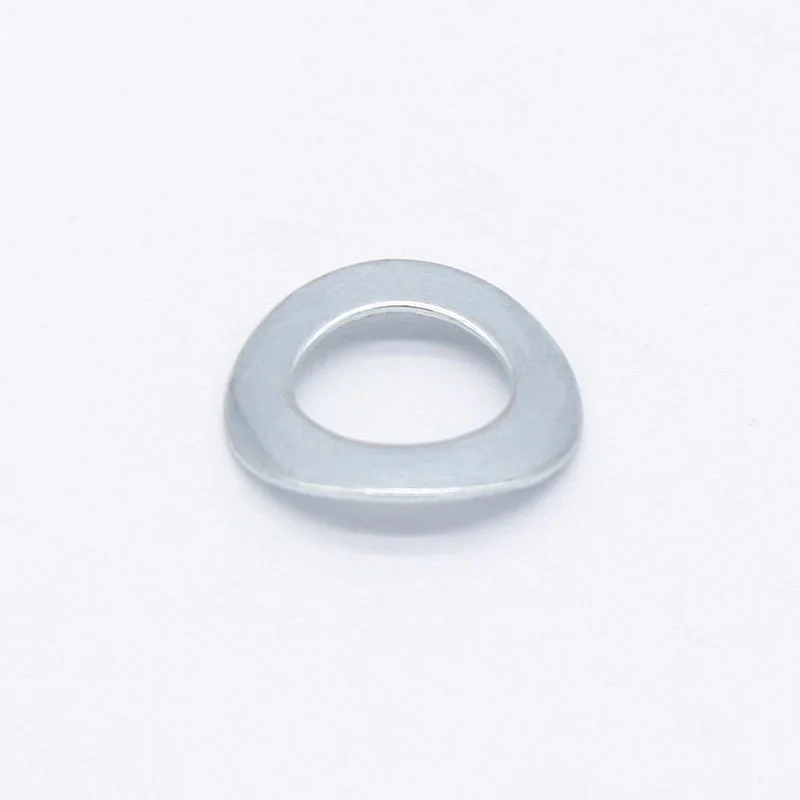
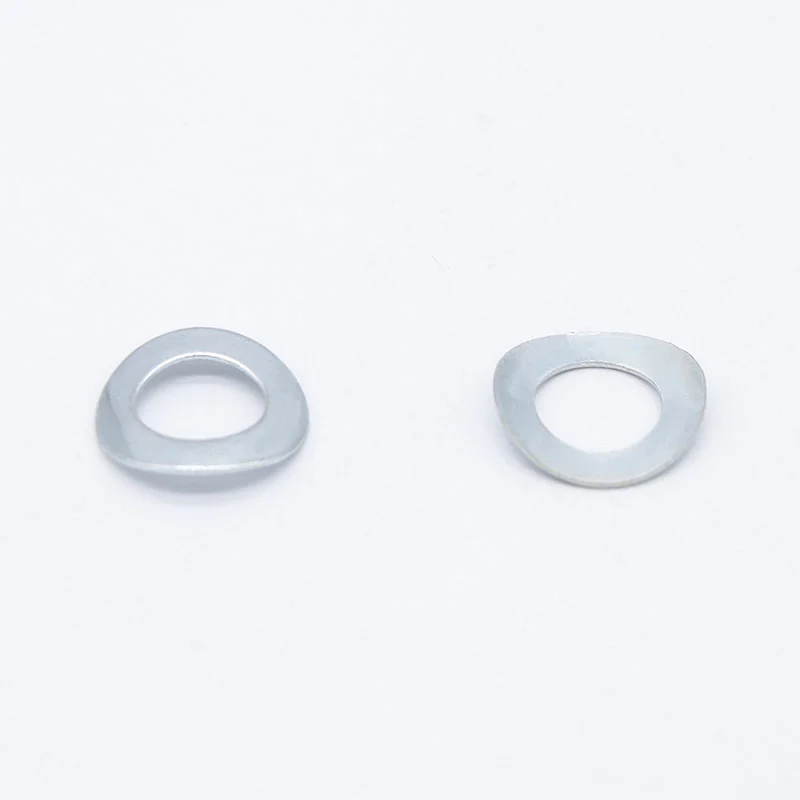
The washer is generally considered when a joint needs some degree of axial spring compensation.
The washer should be selected based on the actual joint design rather than assuming that a DIN designation alone guarantees the required spring force.
Install the washer between the fastener and mating component so that the curved section can deflect during tightening.
Three points are worth checking during assembly:
There must be enough space for the washer to operate within its intended deflection range.
The mating surfaces should be suitable for the washer material and finish. Excessive surface damage, contamination or uneven seating can affect the joint.
Avoid designing the washer to remain permanently flattened if spring travel is required during service. The required torque should come from the bolt and joint specification rather than from the washer alone.
For DIN 137A procurement, the relevant advantage is control over the stamped spring profile, not simply the ability to supply a washer with a DIN number.
Ningbo Yinzhou Zhenhua was established in 1993 and specializes in stamped anti-loosening and fastening components. Its manufacturing capabilities include stamping, progressive tooling and machining, with tooling design and maintenance handled in-house.
For projects involving non-standard arc height, thickness or dimensional requirements, the engineering team can review the drawing before tooling and production.
send your size, quantity and drawing for countersunk lock washers, and we will reply after confirming specifications and lead time.
✅ Get free sample!! Contact us today
✅ We will contact you within 24 hours
