
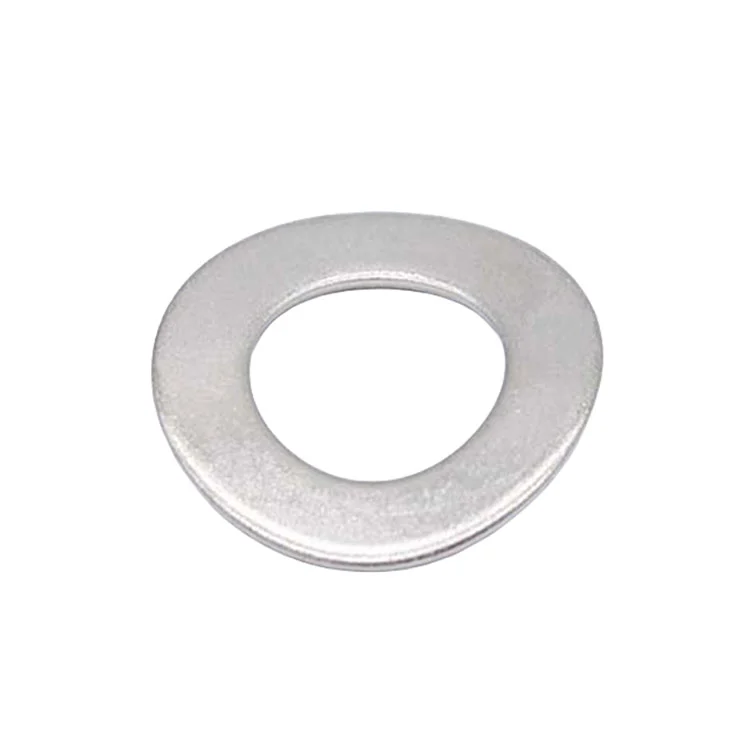
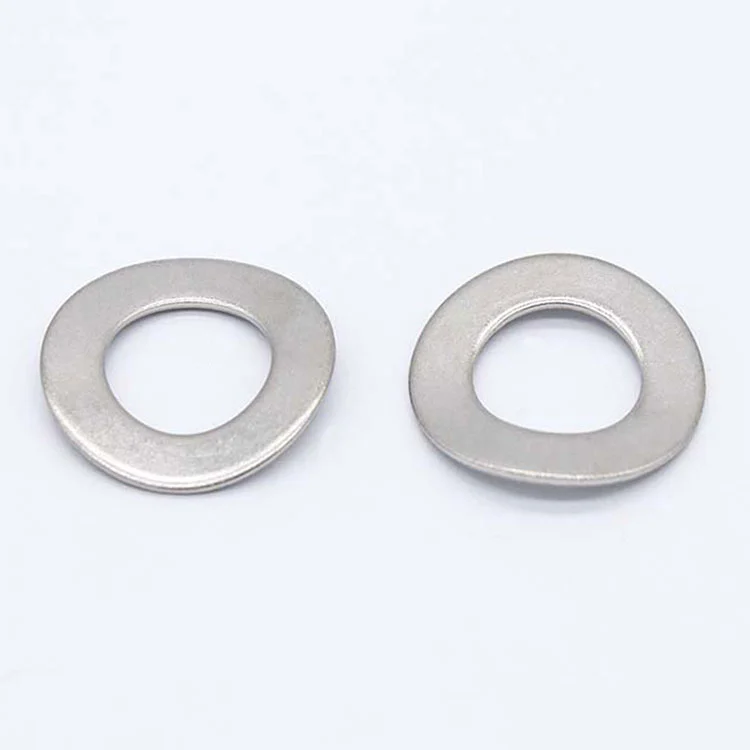
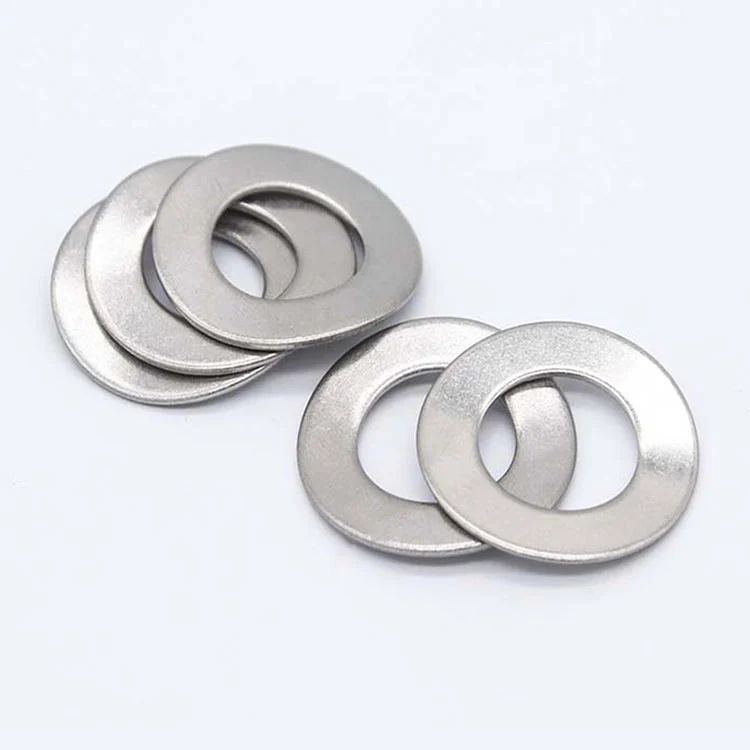
Multiple wave crests, evenly distributed spring load | Gap compensation & preload retention | OEM/ODM
DIN 137B multi-wave spring washers are spring elements with multiple wave crests formed around the washer circumference. The wave structure distributes compression force through several contact points, providing controlled axial spring pressure while maintaining a compact installation height. Compared with DIN 137A single-wave washers, DIN 137B provides a more gradual spring response and is commonly selected for applications requiring limited axial movement, stable preload and repeated assembly conditions.
Stamping parts manufacturer
Owned factory
Stamping capacity · 120 presses up to 450 T
Quotation response
|
||||||||||||||||||||||||||||||||||||||||||||||||||||||||||||||||||||||||||||||||||||||||||||||||||||||||||||||||||||||||||||||||
|
||||||||||||||||||||||||||||||||||||||||||||||||||||||||||||||||||||||||||||||||||||||||||||||||||||||||||||||||||||||||||||||||
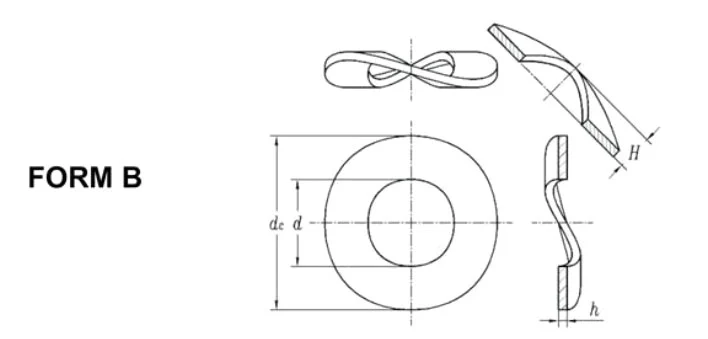
DIN 137B multi-wave spring washers are produced to the DIN 137 European standard with several continuous wave crests: during tightening the waves compress and store elastic energy, providing evenly distributed axial spring preload that compensates assembly gaps and keeps clamping force, while absorbing vibration and shock and offsetting dimensional changes from temperature fluctuation.
Compared with the single-wave (A) type, the multi-wave structure distributes spring force more evenly with a smaller deflection, suiting light loads and narrow-space axial gap compensation.
As a China DIN 137B multi-wave spring washer manufacturer, Ningbo Yinzhou Zhenhua supplies AISI 304 (A2), AISI 316 (A4) and 65Mn for motors, pumps, gearboxes, bearing preloading and industrial automation. Purchase these washers directly from the factory to confirm sizes, lead time and custom requirements.
Unlike a flat washer that only distributes bearing pressure, DIN 137B acts as a mechanical spring element.
Its multiple wave crests create elastic deformation when compressed. During operation, the washer continues to apply axial force within its working range, helping compensate for small changes caused by:
The multi-wave design distributes the load across several curved sections instead of concentrating the deformation in one single arc.
This makes DIN 137B suitable for assemblies where controlled spring force and compact height are more important than large deflection distance.
The performance of a DIN 137B washer mainly depends on its wave geometry.
| Design factor | Influence on performance |
| Number of waves | Determines how the spring force is distributed |
| Wave height | Influences available deflection |
| Material thickness | Affects spring stiffness and load capacity |
| Outer diameter | Affects bearing area and installation space |
| Material grade | Determines corrosion resistance and elastic behaviour |
For this reason, DIN 137B selection should consider the actual joint requirements instead of only matching the bolt diameter.
|
|
|||||||||||
|
|
||||||||||||
|
general-purpose stainless steel with balanced corrosion resistance for industrial equipment, outdoor structures and conventional machinery.
molybdenum-bearing stainless steel with improved resistance to chlorides and acids for marine, chemical and frequent-washdown environments.
spring-steel grade with good elasticity and fatigue resistance for joints under higher loads and repeated vibration.
| Surface treatment | Application consideration |
| Plain | Natural stainless-steel finish |
| Polished | Appearance-sensitive assemblies |
| Passivated | Stainless-steel corrosion protection |
| Trivalent zinc plating | General steel protection |
| Black oxide | Internal machinery applications |
| Phosphating | Wear and coating preparation |
| Eco Dacromet | Higher corrosion resistance requirements |
| Custom finish | According to drawing requirements |
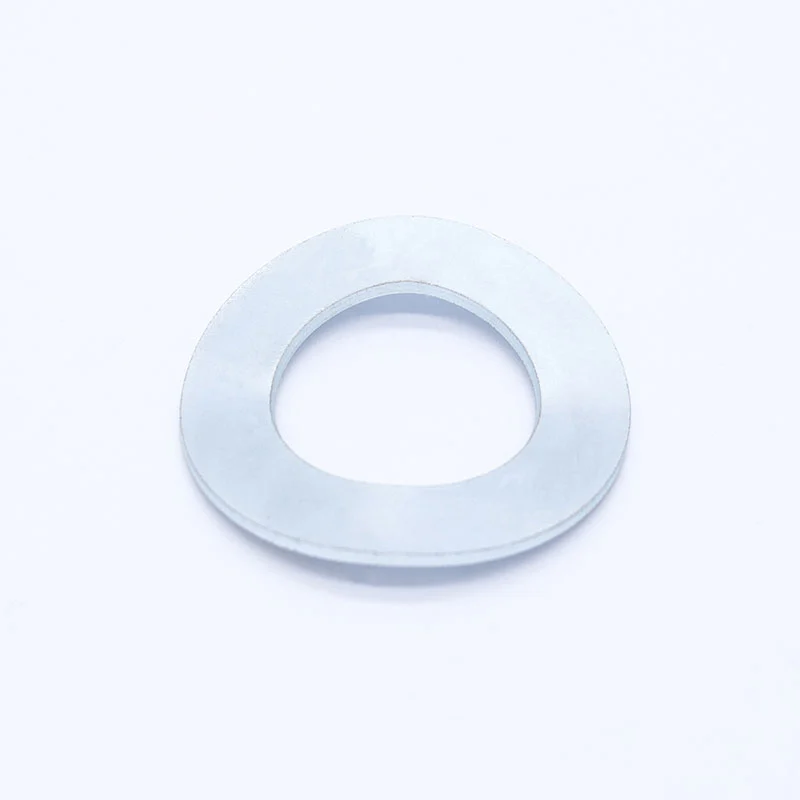
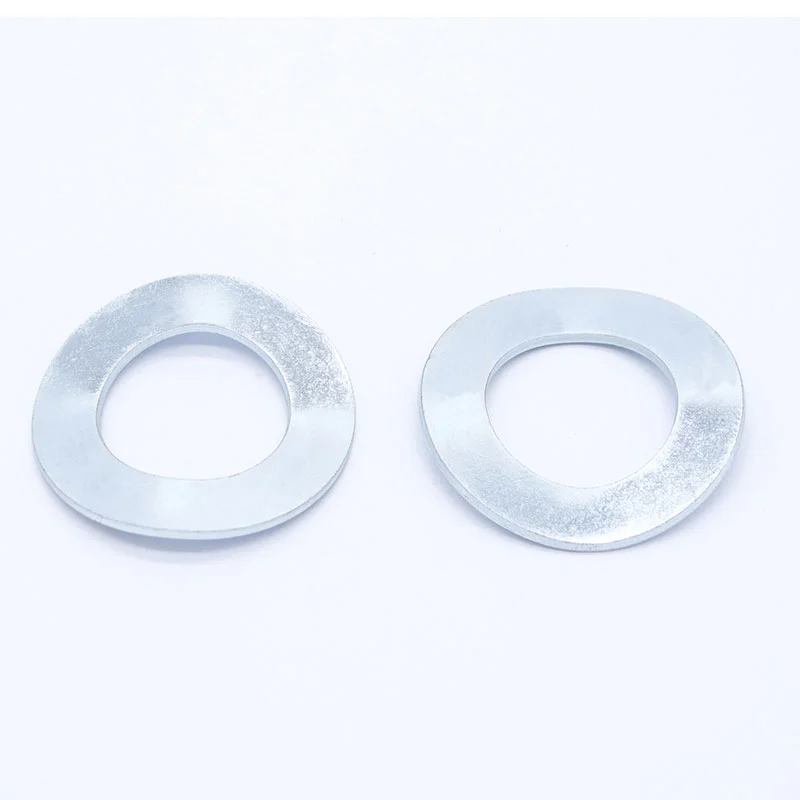
DIN 137B washers require consistent forming because small changes in wave geometry can influence spring behaviour.
Drawing review → Tooling preparation → Trial production → Dimension inspection → Batch production
The company operates an IATF 16949 quality management system for production control and traceability.
For DIN 137B procurement, the key requirement is not only supplying a spring washer, but maintaining consistency of the formed wave structure.
Ningbo Yinzhou Zhenhua was established in 1993 and specializes in stamped fastening components and anti-loosening products.
For DIN 137B Multi-Wave Spring Washers customers, the manufacturing advantages include:
Long-term production of stamped components provides experience in controlling forming processes, tooling and dimensional consistency.
Progressive dies and tooling maintenance are handled internally, helping control production changes during repeat orders.
Customers can provide drawings or samples. The engineering team can review dimensions, material selection and production feasibility before mass production.
Production follows an IATF 16949 quality management system, supporting batch inspection and manufacturing traceability.
DIN 137B Multi-Wave Spring Washers is commonly selected for assemblies requiring compact spring support:
Used where limited installation height requires a thin spring element.
Provides preload compensation in compact fastening assemblies.
Suitable for repeated mechanical movement where joint consistency is required.
Used when controlled axial spring force is preferred over large washer movement..
DIN 137B uses multiple wave crests to distribute spring deformation, providing controlled spring force with a lower profile. DIN 137A uses a single curved wave and generally provides greater available deflection.
No. DIN 137B mainly provides spring preload and axial compensation. It does not use teeth or friction structures designed specifically for bolt rotation prevention.
It can help compensate for small changes in joint dimensions and maintain contact pressure within its working range. Actual preload performance depends on the complete joint design.
Provide:
•
washer drawing or standard reference;
•
material;
•
surface treatment;
•
quantity;
•
application conditions;
•
required spring performance if applicable.
For critical assemblies, replacement is recommended. Repeated compression may change the wave shape and reduce spring performance.
Standard sizes can be supplied according to stock availability. Custom sizes usually require tooling review and production scheduling based on material, quantity and surface treatment.
send your size, quantity and drawing for countersunk lock washers, and we will reply after confirming specifications and lead time.
✅ Get free sample!! Contact us today
✅ We will contact you within 24 hours
