
Few small parts work as hard as a serrated lock washer. Its sharp radial teeth dig into both mating surfaces during tightening, creating a positive mechanical lock against rotation. Over the past century, engineers have refined this idea into three major families: the DIN 6798 serrated types, the DIN 9250 double-sided safety washers, and the French NFE 25-511 conical series. Each answers a slightly different question about the joint.
Read More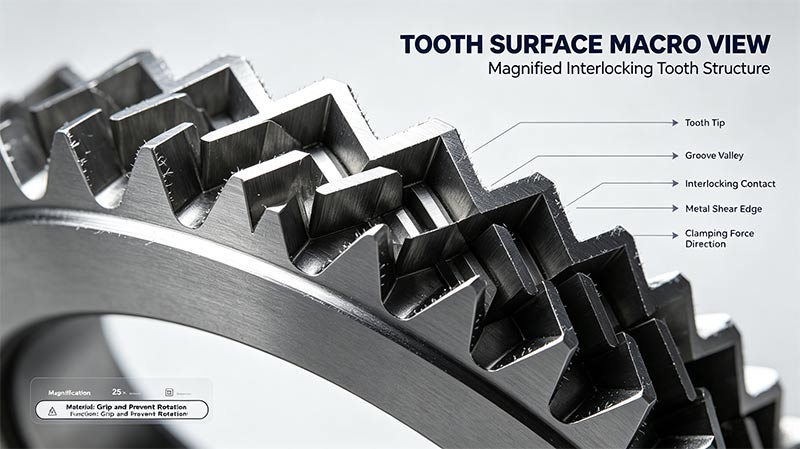
A bolted joint is never perfectly static. Materials creep, temperatures change, loads cycle and vibration shakes everything. Spring washers exist for exactly this reason: to store elastic energy and keep pushing back, so the joint keeps its preload. The journey from the humble split ring to today's engineered wave and conical washers is a story of understanding what actually makes a joint loosen.
Read More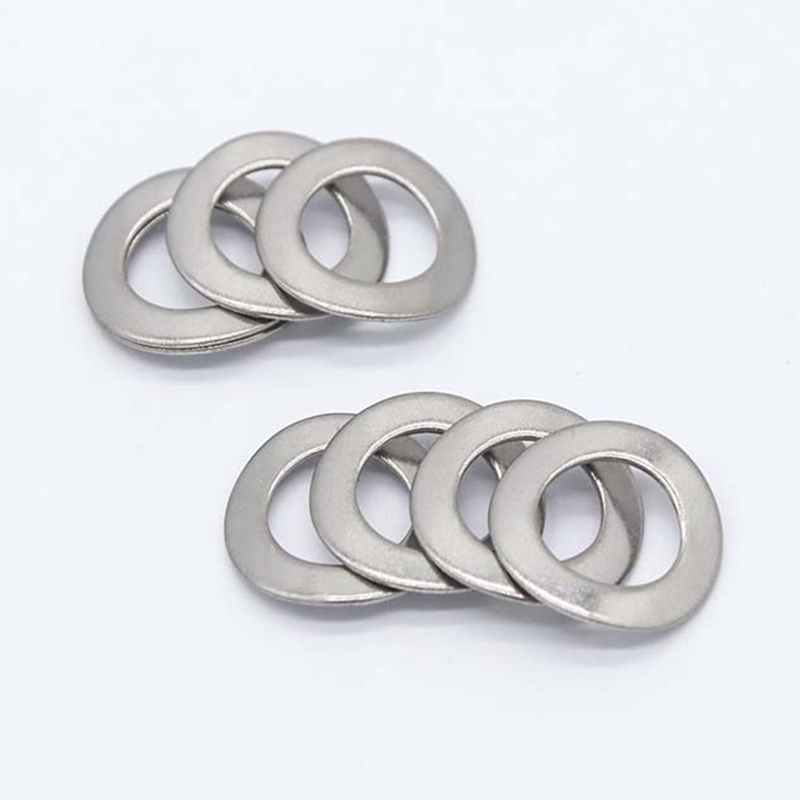
Bolts loosen. Under vibration, shock and thermal cycling, the preload in a bolted joint can relax, and the nut slowly rotates back. Solving that problem has occupied engineers for nearly two centuries, and the result is a remarkable family of lock washers, each generation more sophisticated than the last.
Read More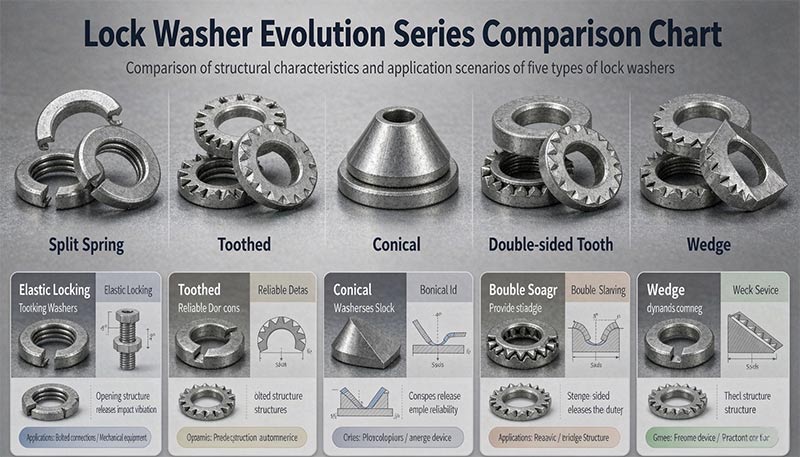
Engineers have always understood that a small bolt head can crush a soft surface. Ancient civilisations solved the problem with the simplest possible answer: put something between the bolt and the material. Historical records suggest wooden, lead and leather pads were used in Egyptian and Roman construction to spread clamping force and protect timber, stone and soft metal surfaces. The very idea of a washer is older than the threaded fastener itself.
Read More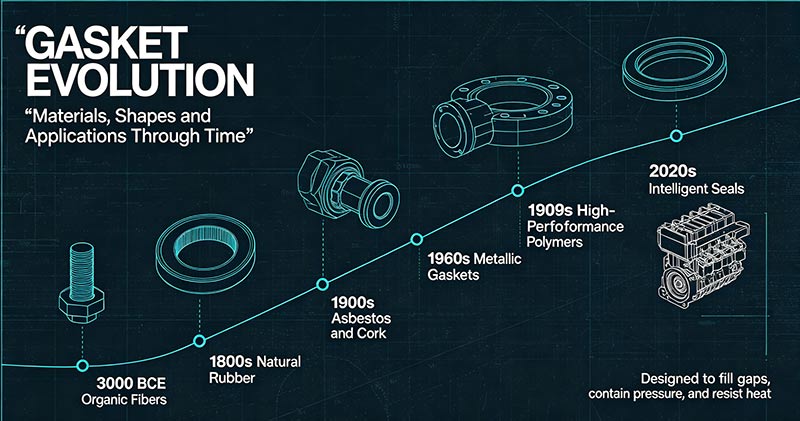
Walk into any fastener warehouse in the world and you will hear the same three letters again and again: DIN. DIN 125, DIN 137, DIN 6796, DIN 6797, DIN 6798, DIN 9250, DIN 25201. For over a century, German standardisation has defined how washers are dimensioned, manufactured and specified - and its influence extends far beyond Germany.
Read More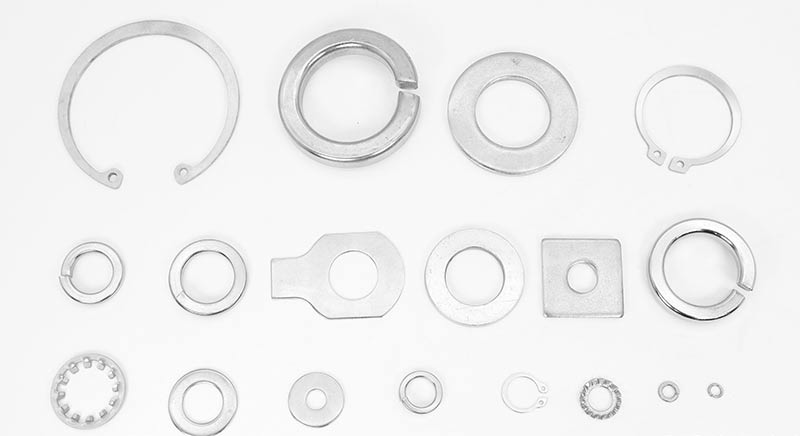
Zhenhua provides Industrial Curved Washers for fastening assemblies that require suitable load distribution, dimensional compatibility, and dependable performance in industrial environments. Designed for applications where washer geometry influences contact, fit, and assembly behavior, curved washers can help meet specific installation requirements across machinery, equipment manufacturing, automotive components, and general industrial fastening systems.
Read More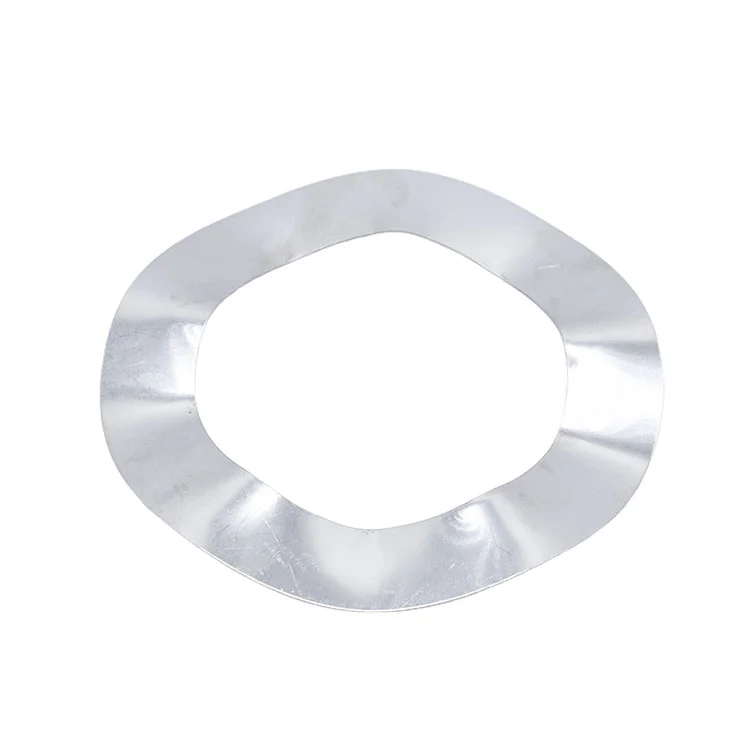
✅ Get free sample!! Contact us today
✅ We will contact you within 24 hours
