
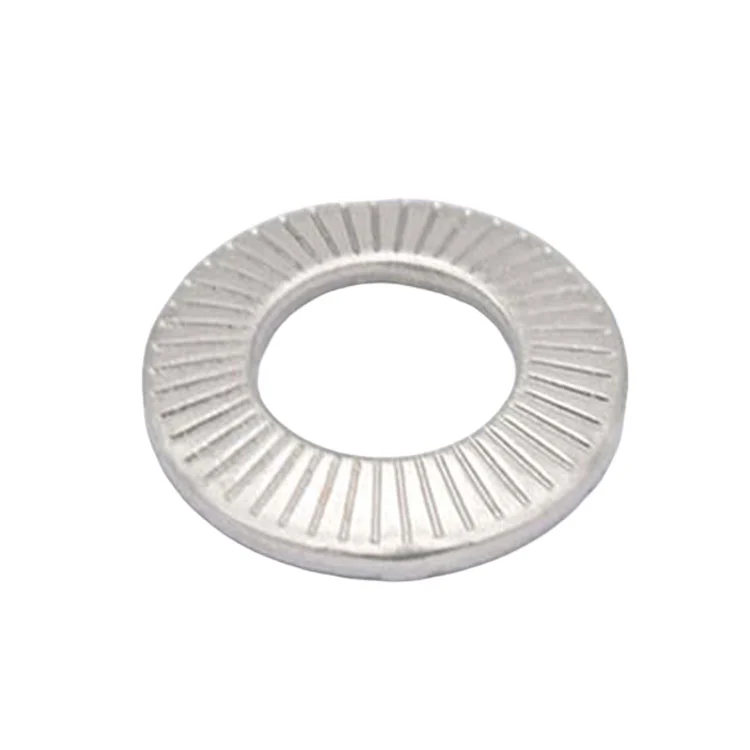
Serrated teeth pierce coatings for low-ohm grounding | Conductivity + locking | OEM/ODM
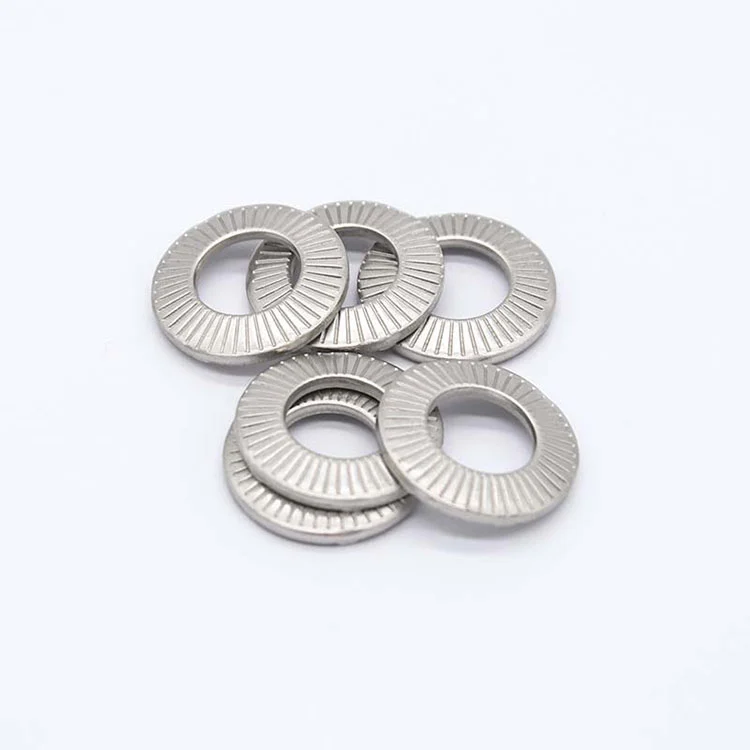
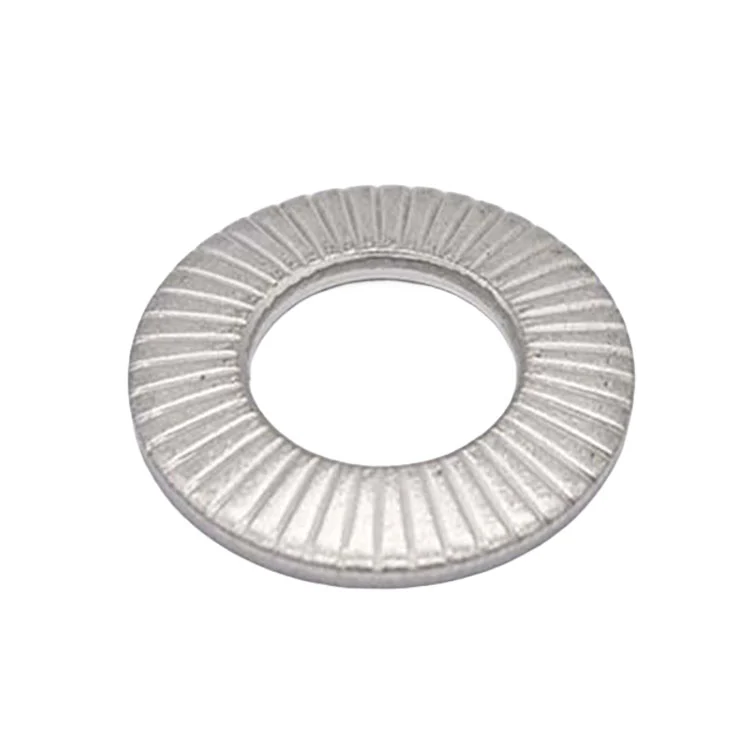
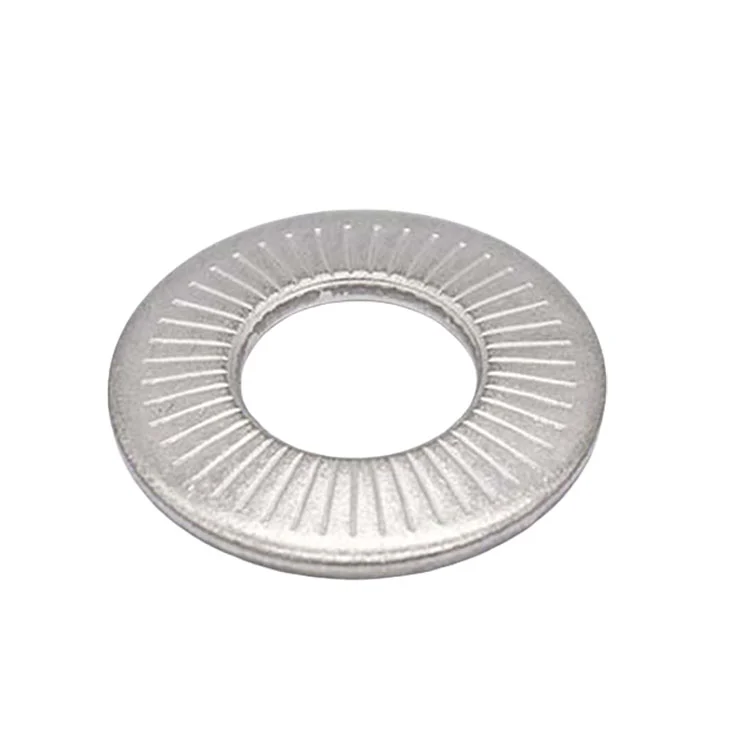
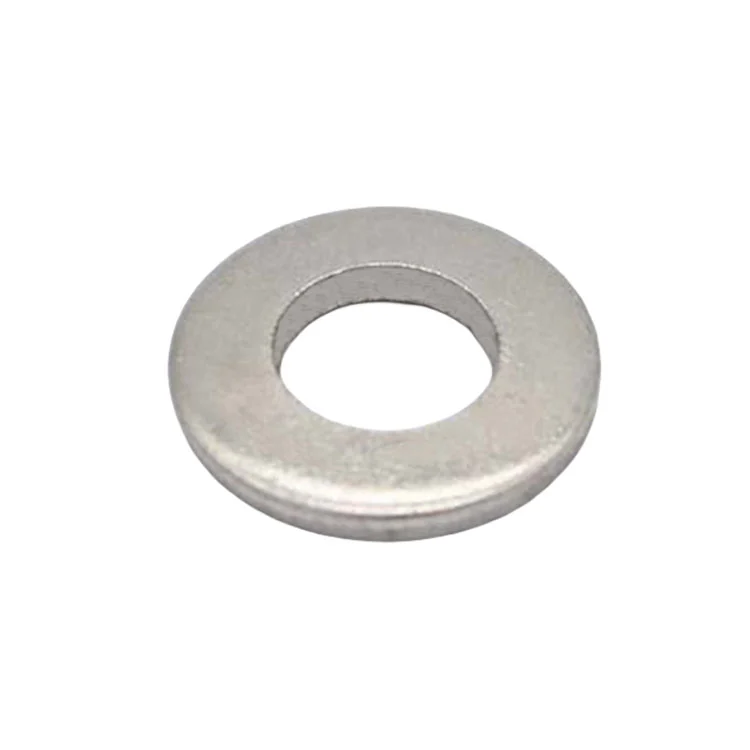
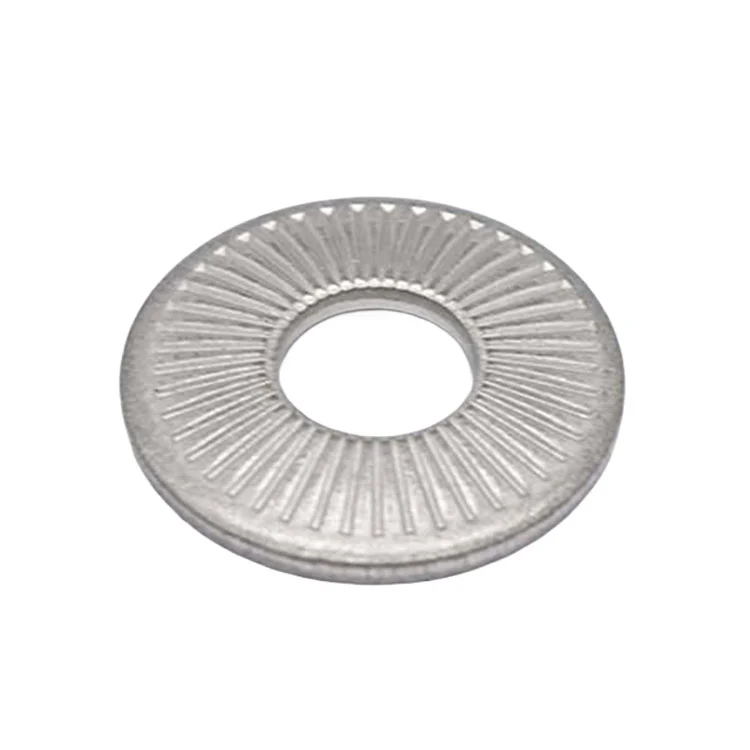
DIN 6795 contact washers for electrical grounding and bonding, available in AISI 304, AISI 316 and 65Mn. Radial serrations penetrate paint, oxide and coatings to establish metal-to-metal contact. Custom sizes, tooth profiles and surface finishes are available from drawings or samples. Applications include switchgear, control panels, telecom cabinets and vehicle grounding.
Stamping parts manufacturer
Owned factory
Stamping capacity · 120 presses up to 450 T
Quotation response
|
|
|||||||||||||||||||||||||||||||||||||||||||||||||||||||||||||||||||||||||||||||||||||||||||||||||||||||
|
||||||||||||||||||||||||||||||||||||||||||||||||||||||||||||||||||||||||||||||||||||||||||||||||||||||||
|
|
|||||||||||||||||||||||||||||||||||||||||||||||||||||||||||||||||||||||||||||||||||||||||||||||||||||||
|
||||||||||||||||||||||||||||||||||||||||||||||||||||||||||||||||||||||||||||||||||||||||||||||||||||||||
For project-specific requirements, washers can also be produced from customer drawings or physical samples. Available sizes, material and production quantity should be confirmed before quotation.
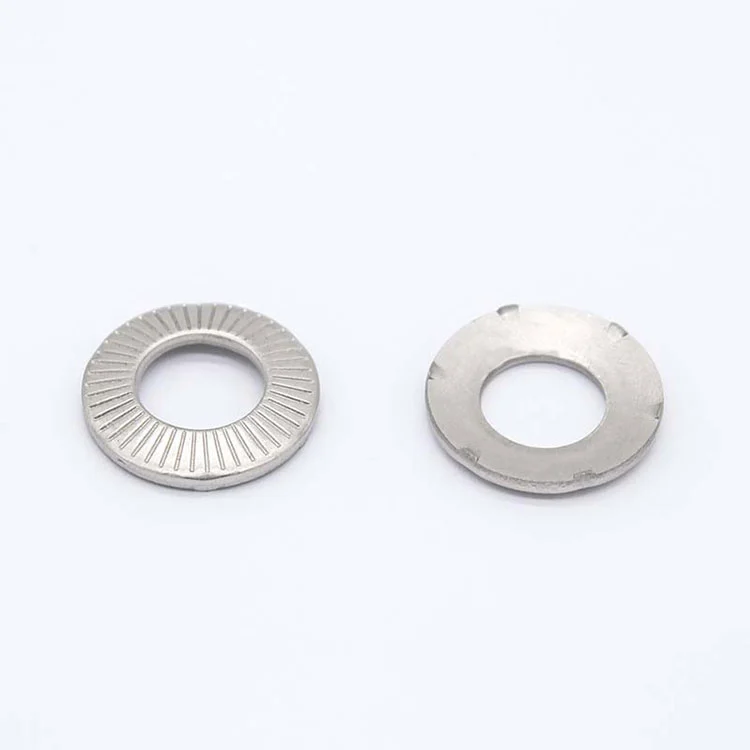
DIN 6795 contact washers carry radial serrated knurling on one face: during tightening, the sharp teeth pierce paint, oxide and coating layers to establish low-resistance metal-to-metal electrical contact, while the same teeth bite into the bolt head/nut and the workpiece to form a mechanical lock - combining electrical grounding and anti-loosening in one washer.
Unlike ordinary serrated lock washers, contact washers are designed for conductivity, with tooth geometry ensuring penetration and low-ohm contact.
As a China DIN 6795 contact washer manufacturer, Ningbo Yinzhou Zhenhua supplies AISI 304 (A2), AISI 316 (A4) and 65Mn for switchgear earthing, control panel equipotential bonding, vehicle chassis grounding, telecom cabinets and renewable energy equipment.
Purchase these washers directly from the factory to confirm sizes, lead time and custom requirements.
|
||||||||||||
|
The most important specification is not simply the bolt diameter. The contact condition of the complete joint should be considered.
| Item | What to confirm before purchase |
| Fastener size | Bolt or screw thread size and compatible washer bore |
| Mating material | Stainless steel, carbon steel, aluminium or other conductive substrate |
| Surface condition | Bare metal, painted, plated, anodized or oxide-covered surface |
| Serration requirement | Tooth height, profile and contact pattern according to the application |
| Electrical purpose | Grounding, bonding, equipotential connection or general conductive fastening |
| Environment | Indoor, outdoor, moisture, salt exposure, chemical or washdown conditions |
| Material | AISI 304, AISI 316 or 65Mn according to corrosion and mechanical requirements |
| Finish | Confirm whether the coating may interfere with the intended electrical contact area |
| Quantity | Prototype, small batch or continuous production volume |
For a coated assembly, the critical question is whether the serrations can penetrate the coating sufficiently to reach the conductive substrate. If the coating is unusually thick, hard or electrically insulating, the joint design should be reviewed rather than assuming that any serrated washer will provide the required grounding path.
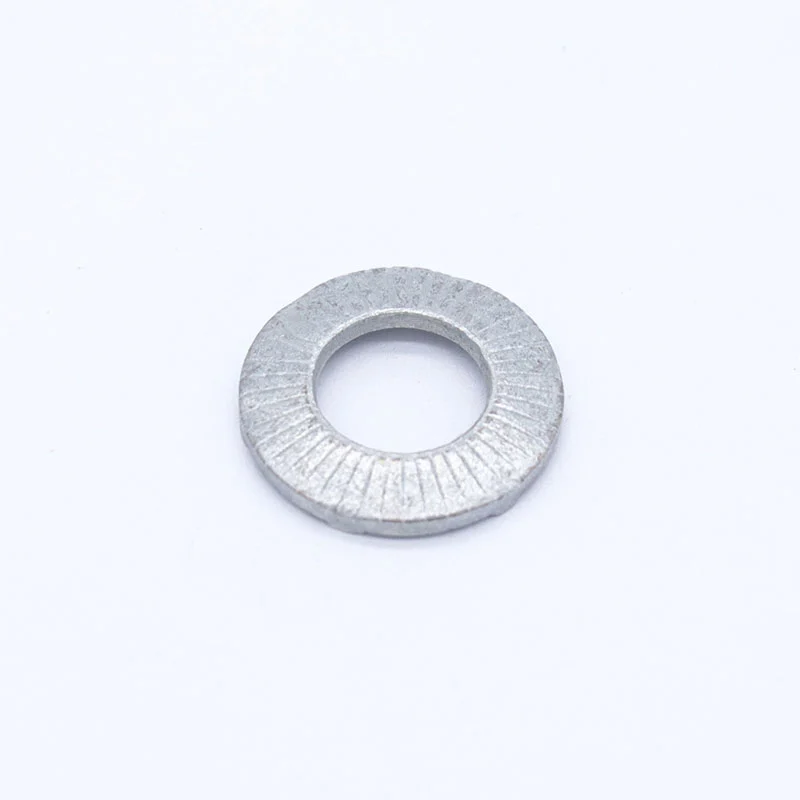
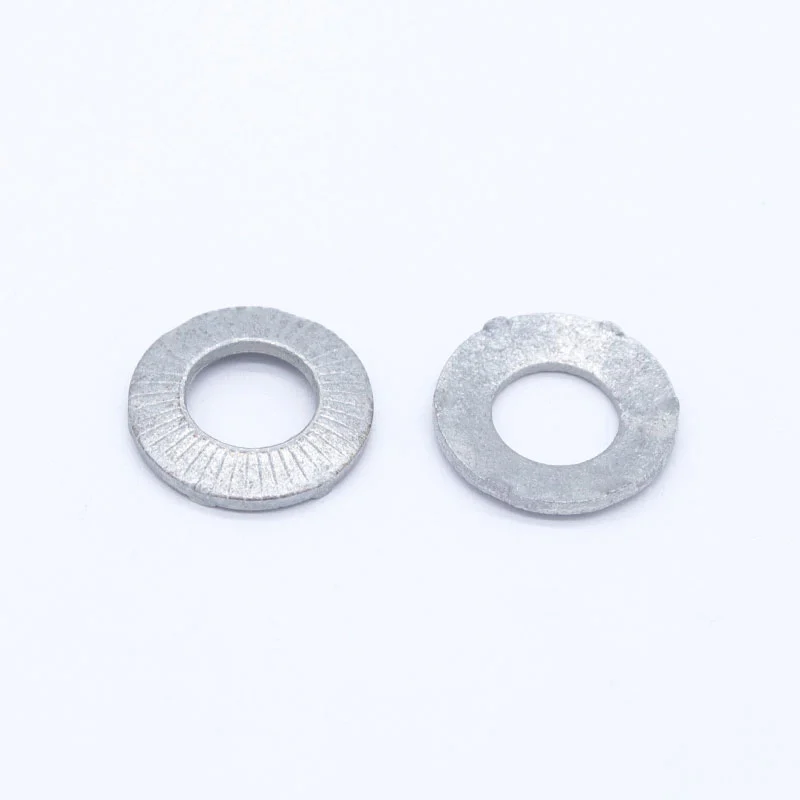
It is specifically intended for applications where the serrations need to break through a surface layer and establish conductive contact with the underlying metal. The actual result depends on coating type, thickness, hardness and tightening conditions. For critical grounding connections, the complete joint should be tested rather than assuming a fixed resistance value.
The serrated contact side should face the conductive surface where electrical contact is required. The teeth need sufficient clamping force to penetrate the relevant surface layer. The installation drawing should define the orientation when the joint has different materials or coatings on each side.
No. Although the products use serrated geometry, their intended functions are different. DIN 6797 and DIN 6798 are primarily associated with mechanical locking, while DIN 6795 is selected when the serrations are required to establish electrical contact. For a grounding application, the conductive function should be specified explicitly.
Not necessarily. Stainless steel offers useful corrosion resistance, but electrical performance depends on the complete contact interface, including the washer, fastener, substrate, coating and clamping condition. Material selection should therefore balance corrosion resistance, mechanical requirements and the required electrical connection.
For a grounding connection, replacement is generally preferred after removal. The serrations may be flattened, contaminated or otherwise changed during the original installation, so a new washer provides a more predictable contact condition.
Provide the bolt size, washer dimensions if available, mating material, surface coating, electrical application, required material, finish, quantity and drawing or sample. If the washer is part of a certified grounding system, include the relevant electrical or assembly requirement so the product can be reviewed against the actual application.
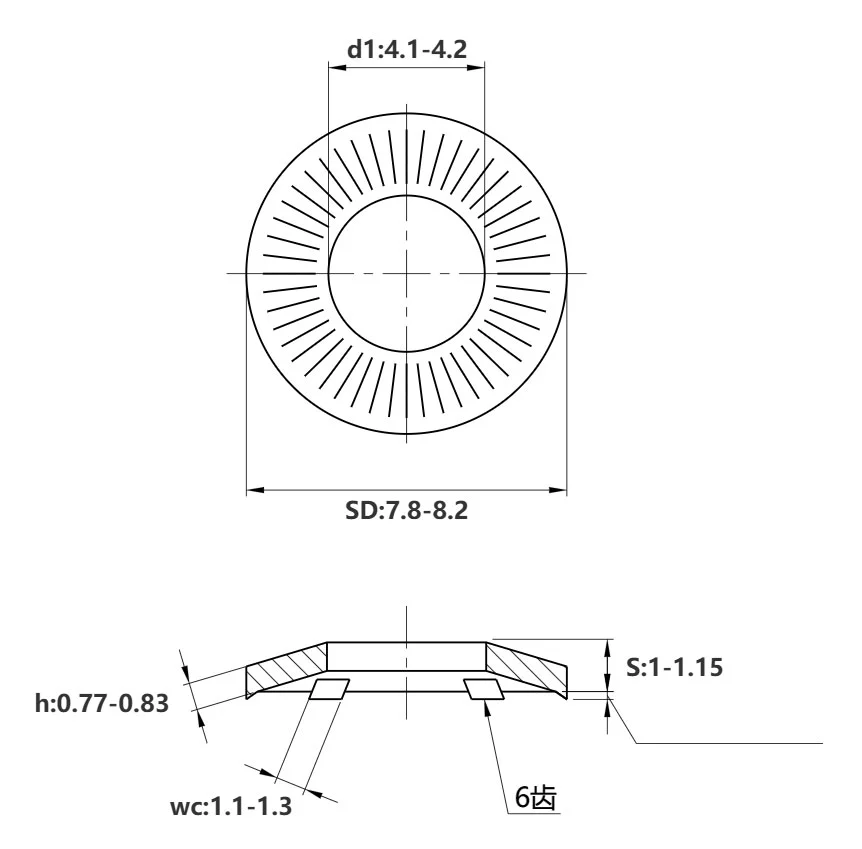
Yes. Custom versions can be developed from drawings or samples. Bore diameter, outside diameter, thickness and serration geometry can be adjusted according to the approved specification, with tooling and production requirements confirmed before sampling.
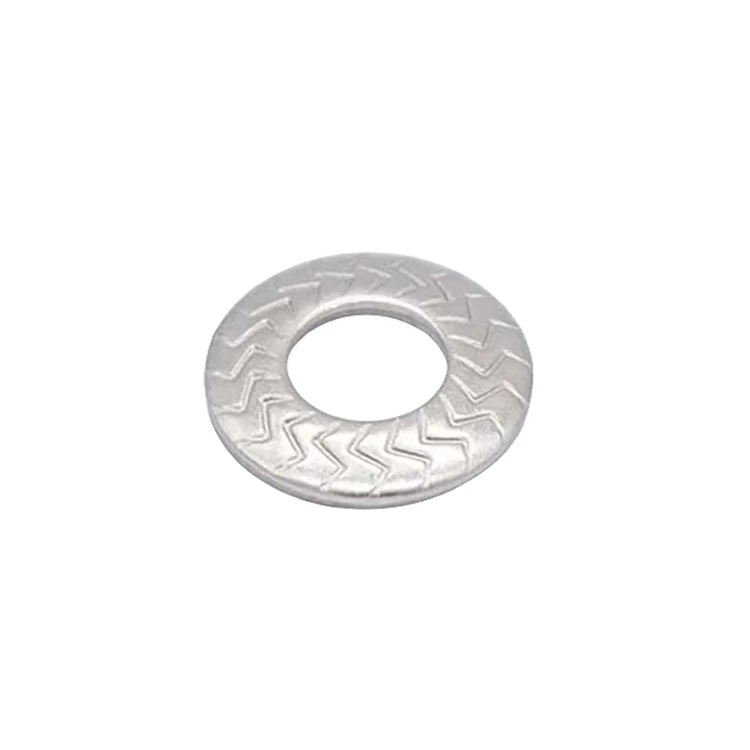
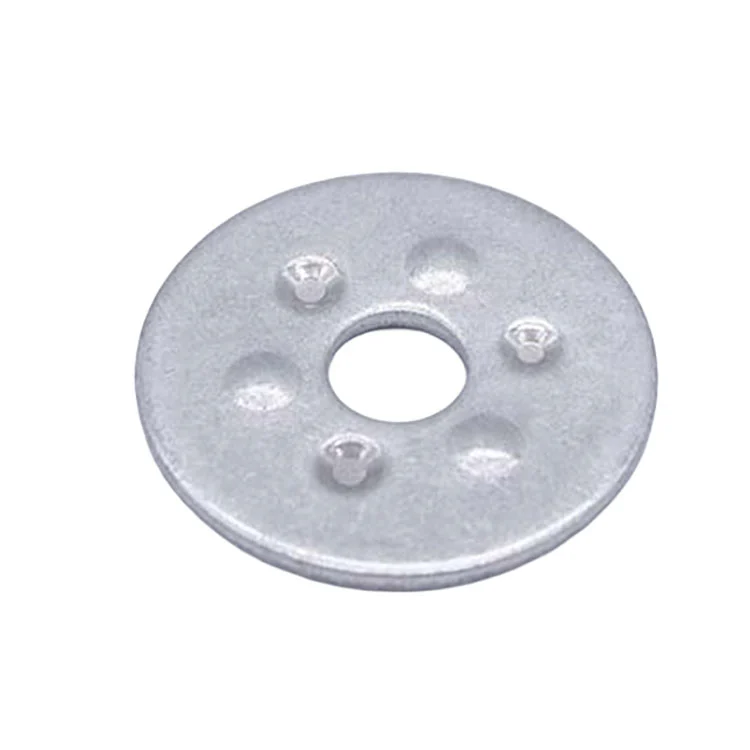
send your size, quantity and drawing for countersunk lock washers, and we will reply after confirming specifications and lead time.
✅ Get free sample!! Contact us today
✅ We will contact you within 24 hours
