

Tapered disc spring force compensates creep & thermal expansion | Preload retention | OEM/ODM
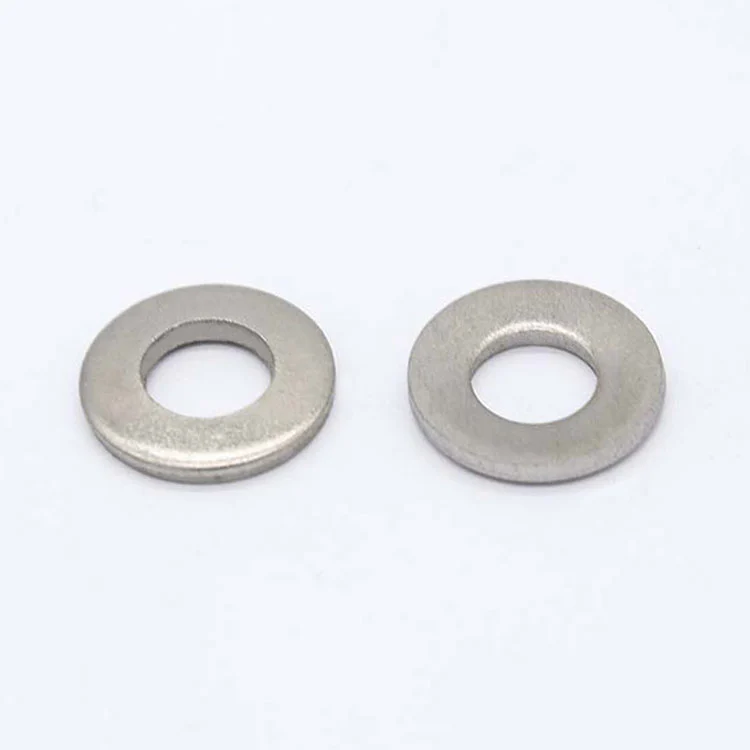
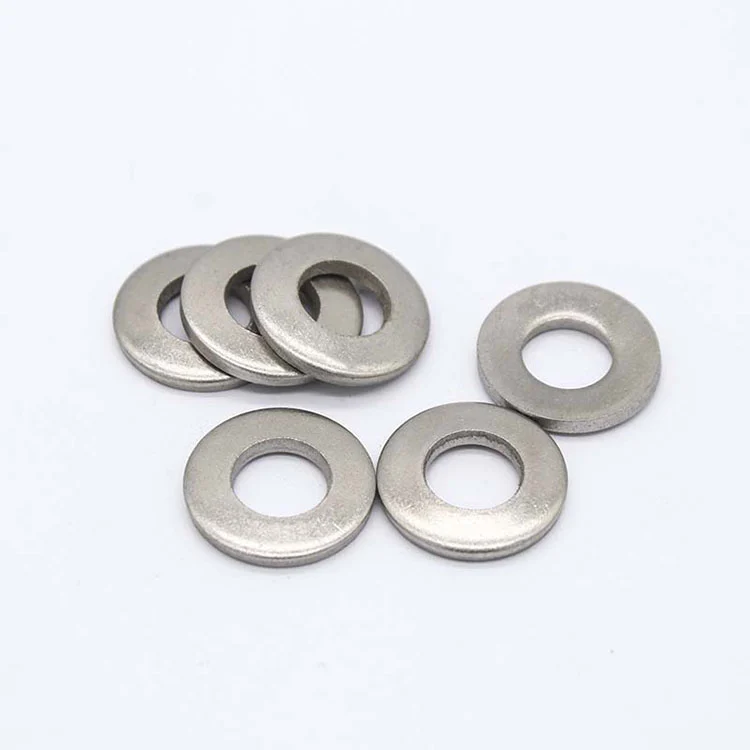
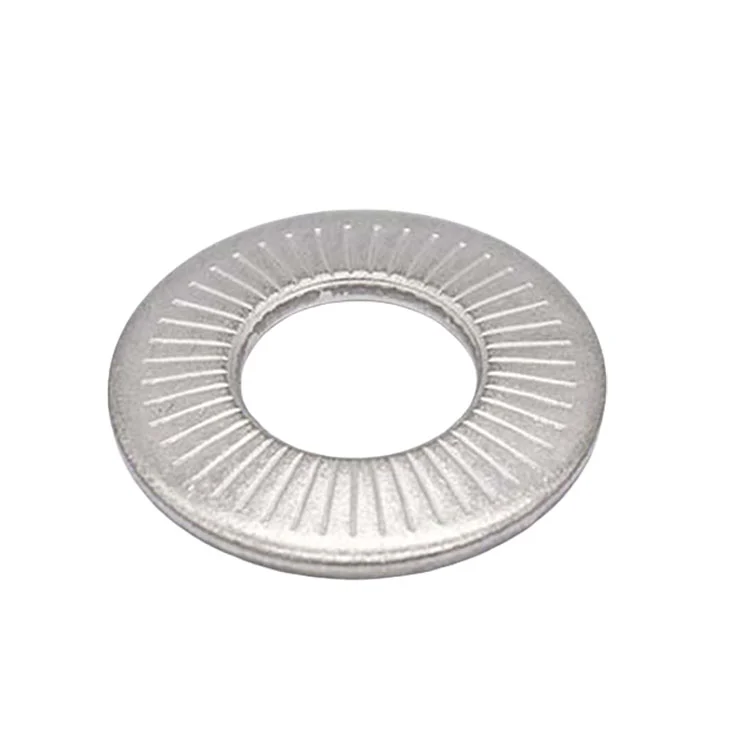
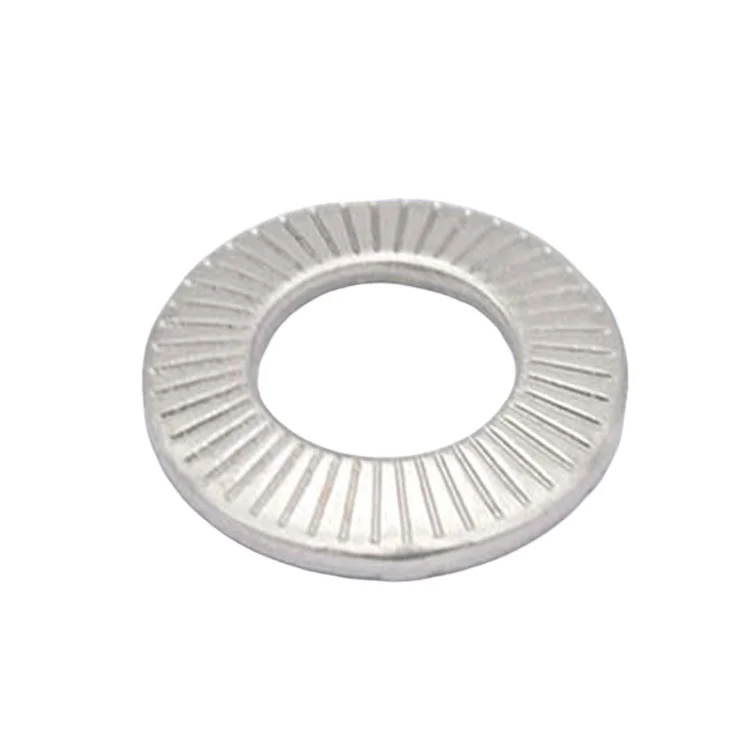
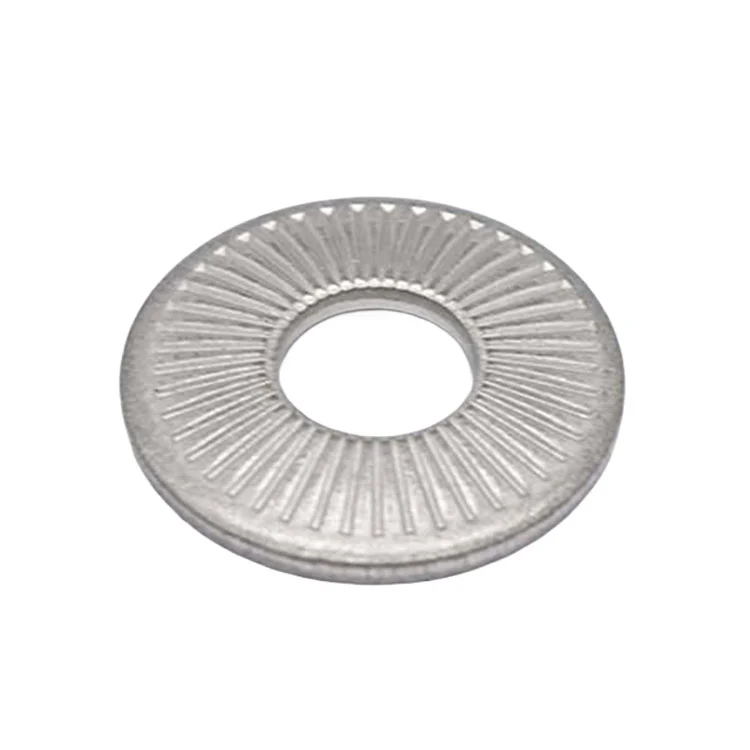
DIN 6796 conical spring washers in AISI 304, AISI 316 and 65Mn; conical disc design provides axial spring load, helps compensate preload loss from creep and thermal expansion, with custom sizes and finishes available.
Stamping parts manufacturer
Owned factory
Stamping capacity · 120 presses up to 450 T
Quotation response
|
|
|||||||||||||||||||||||||||||||||||||||||||||||||||||||||||||||||||||||||||||||
|
||||||||||||||||||||||||||||||||||||||||||||||||||||||||||||||||||||||||||||||||
|
|
|||||||||||||||||||||||||||||||||||||||||||||||||||||||||||||||||||||||
|
||||||||||||||||||||||||||||||||||||||||||||||||||||||||||||||||||||||||
For non-standard requirements, production can be based on customer drawings or samples. Spring dimensions and material should be confirmed before quotation because changing the section thickness or cone height changes the load-deflection behaviour.
DIN 6796 conical spring washers use a tapered disc profile that compresses under load to generate continuous axial spring force, compensating thermal expansion, material creep and relaxation to maintain bolt preload and resist vibration-induced loosening without extra lock components.
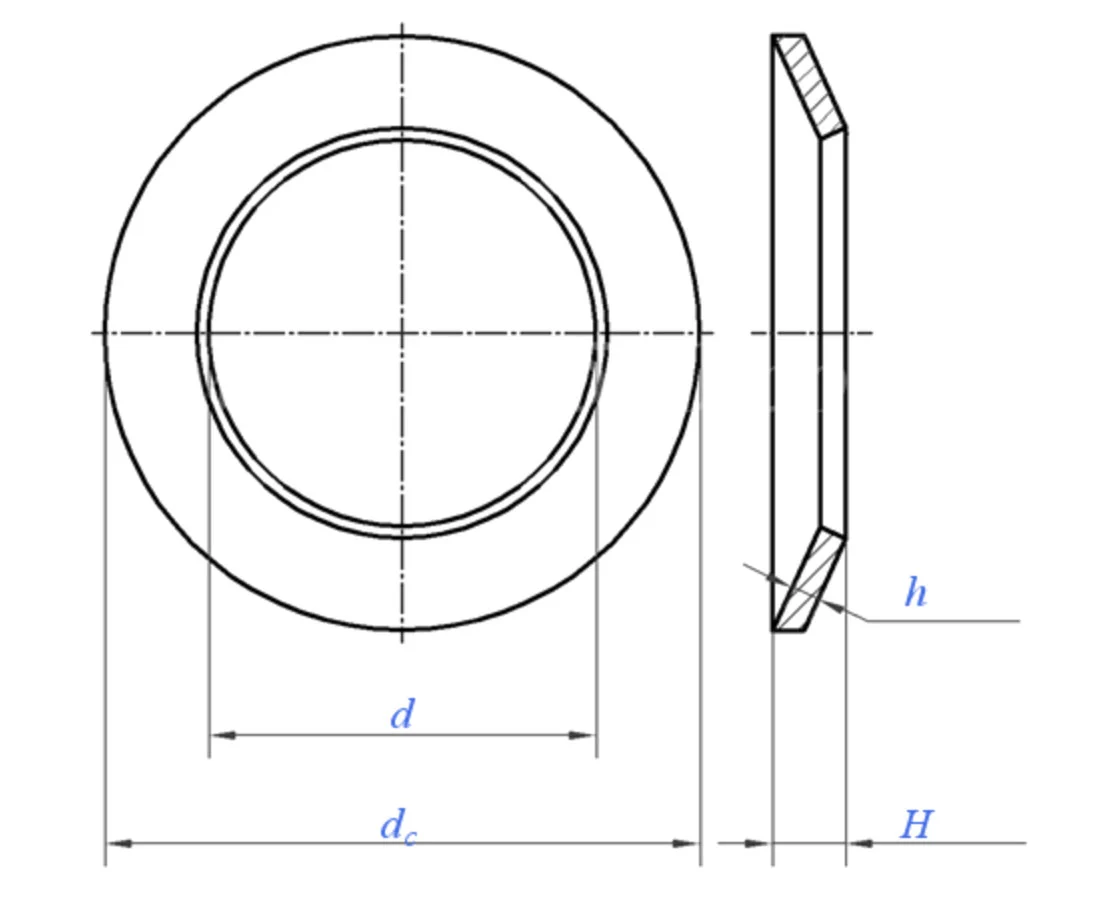
A DIN 6796 washer is not simply a curved flat washer. Its conical geometry gives it a defined load-deflection characteristic.
When the bolt is tightened, the cone is progressively flattened. This deformation stores elastic energy in the washer. If the joint later experiences thermal expansion, embedment, material creep or minor dimensional relaxation, the washer can release part of its stored elastic deformation and continue applying axial force to the joint.
This is the main reason to select a conical spring washer when maintaining clamp load is more important than simply increasing friction at the thread.
The available spring travel is particularly important. A washer with insufficient working deflection may become nearly flat early in the tightening process and provide little additional compensation afterwards. Conversely, excessive deflection can move the joint away from the intended operating range.
For engineering applications, the washer should therefore be selected according to required spring load, available deflection, joint stiffness and operating temperature, rather than bolt diameter alone.
DIN 6796 is particularly useful where the joint is exposed to changes after assembly.
It should not automatically be treated as a replacement for every locking washer. A serrated washer primarily creates mechanical tooth engagement, while a conical spring washer works by maintaining axial force as the joint moves within the spring's working range.
For severe vibration applications, the complete joint design—including bolt grade, tightening torque, joint stiffness and washer working point—should be evaluated rather than relying on the washer alone.
|
||||||||||||
|
The material should be selected according to both spring behaviour and environmental exposure.
For spring applications, material selection should not be based on corrosion resistance alone. Yield strength, hardness, elastic range and fatigue behaviour at the operating temperature should also be considered.
The critical manufacturing issue for DIN 6796 is not simply whether the washer is stamped into a conical shape. The finished parts need consistent geometry so that washers from the same batch behave similarly under load.
Ningbo Yinzhou Zhenhua uses stamping and forming processes with dedicated tooling, followed by dimensional and process inspection. For OEM production, the tooling and forming parameters can be developed around the approved drawing or sample.
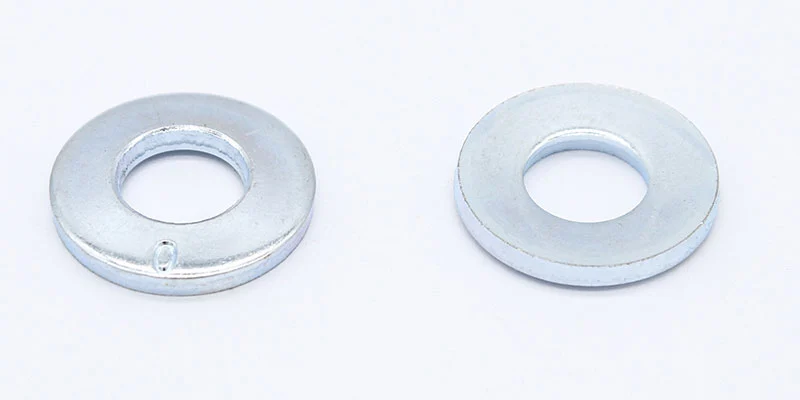

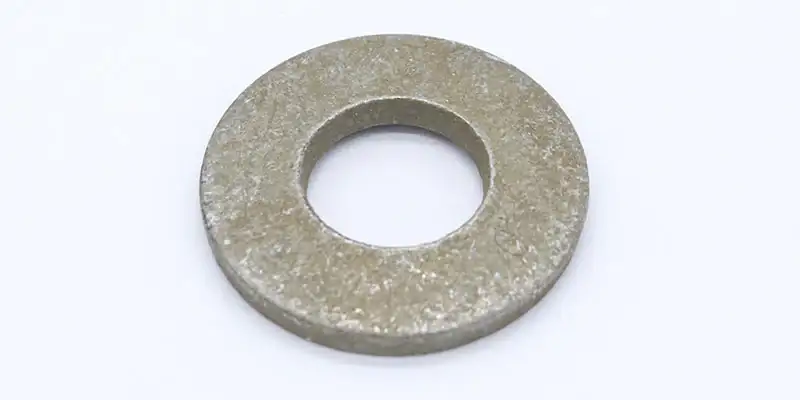
Bolt diameter is only the starting point. Check the washer's inside and outside diameter, free height, thickness and required spring load at the installed height. For joints where preload retention is critical, the required working deflection should be defined before selecting the washer.
Once the cone approaches its flat condition, most of the available spring travel has been consumed. Further tightening does not provide unlimited additional compensation. If the washer is consistently flattened during installation, the selected size or working condition should be reviewed.
It can help maintain clamp load when the joint experiences small movements, thermal changes or settling within the washer's elastic range. For severe transverse vibration, however, the entire fastening system should be evaluated because spring action and anti-rotation are different functions.
Not as a direct one-to-one replacement. DIN 6796 maintains preload through elastic deflection, whereas a wedge-locking washer pair uses cam geometry to resist loosening rotation. The correct choice depends on whether the primary problem is joint relaxation, thermal movement, vibration or rotational loosening.
There is no universal answer based only on 304, 316 or 65Mn. Spring performance changes with temperature, and the allowable working range depends on material condition and actual load. For elevated-temperature applications, provide the operating temperature and required spring load when requesting a quotation.
For OEM projects, the washer can be developed from a drawing or sample, and the required working condition can be discussed with the production team. Provide the bolt size, available installation space, target load, expected deflection, material preference and operating environment.
send your size, quantity and drawing for countersunk lock washers, and we will reply after confirming specifications and lead time.
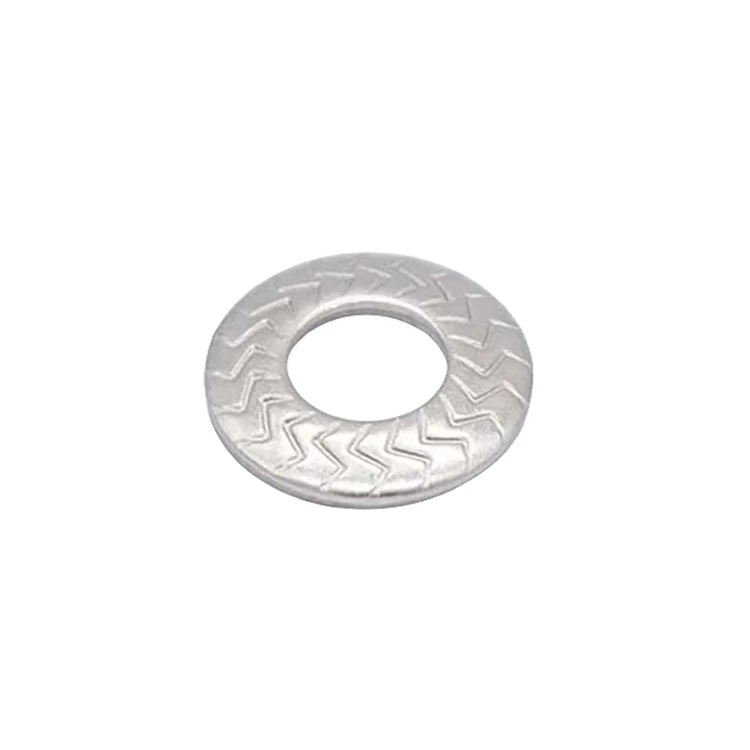
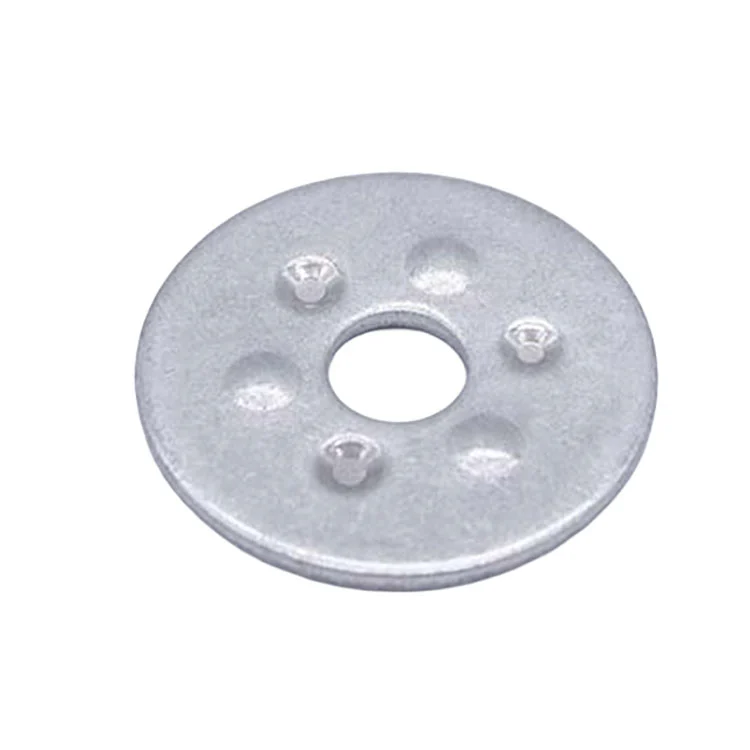
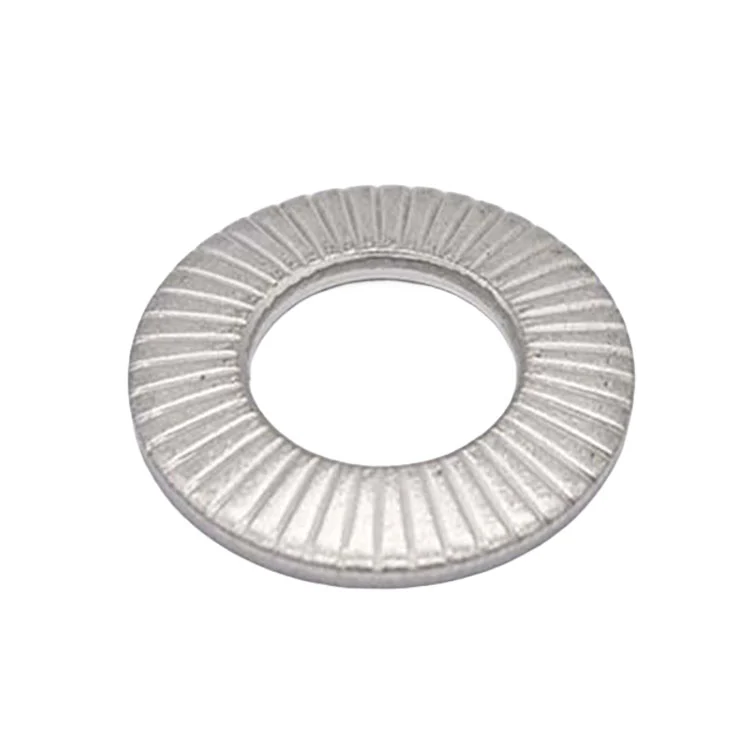
✅ Get free sample!! Contact us today
✅ We will contact you within 24 hours
