
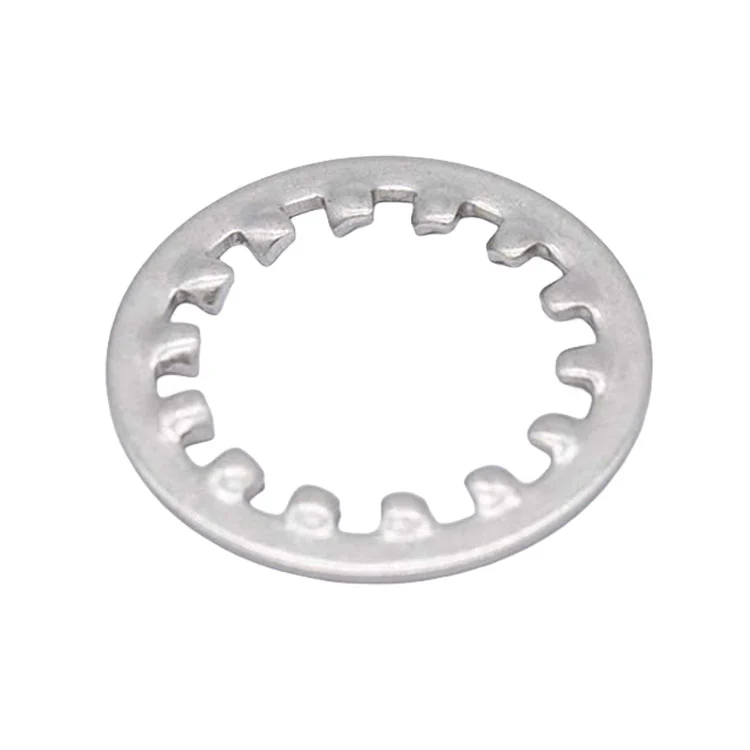
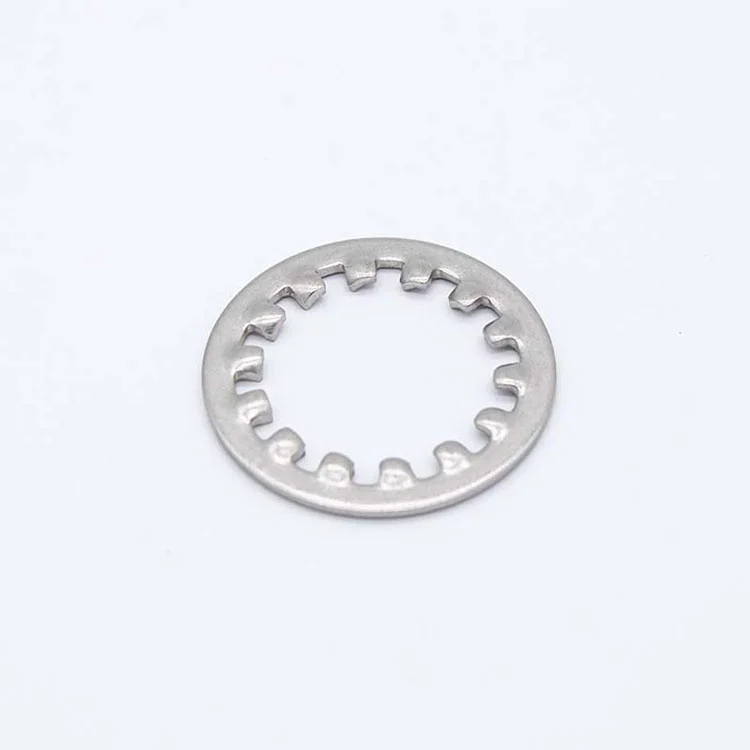
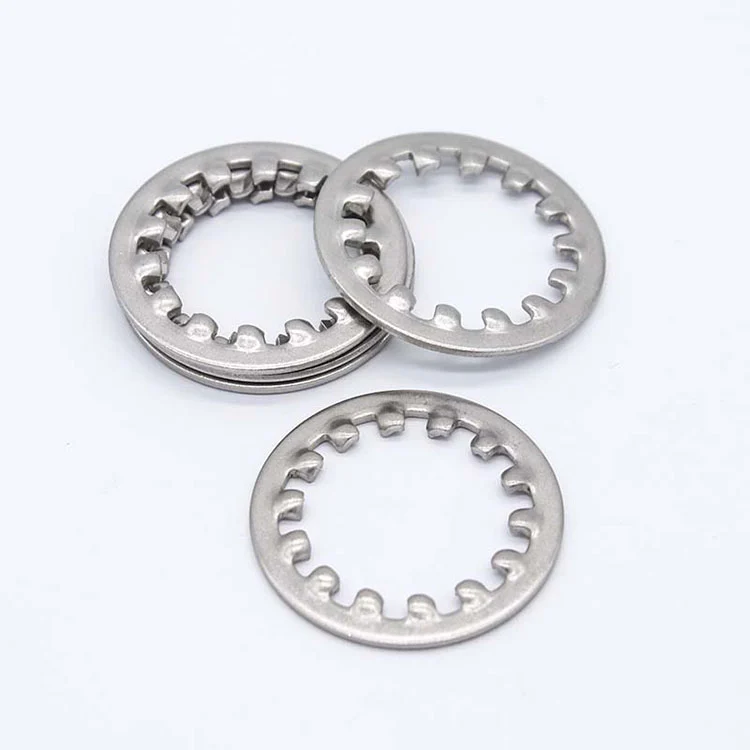
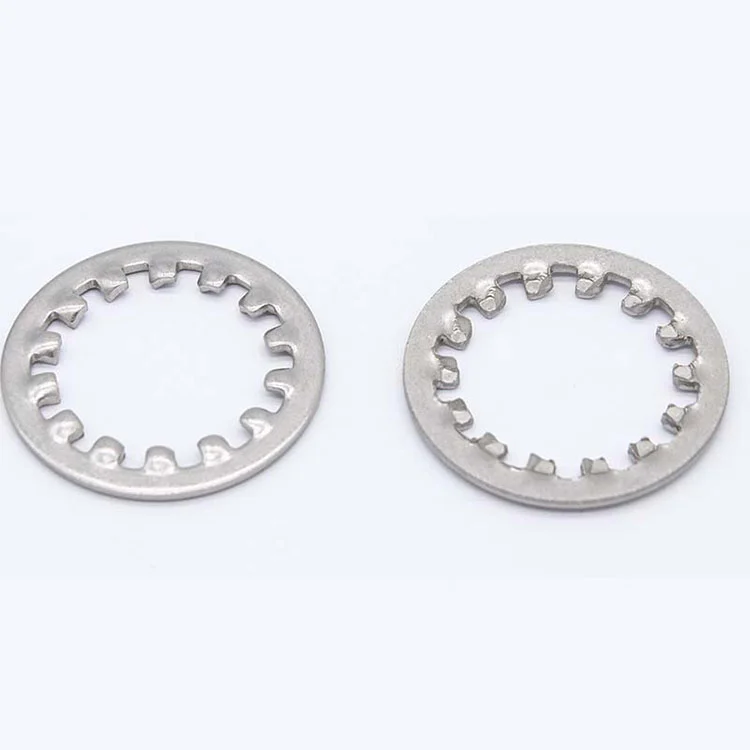
Internal-tooth bite + axial spring force | Compact OD for small screw heads | OEM/ODM
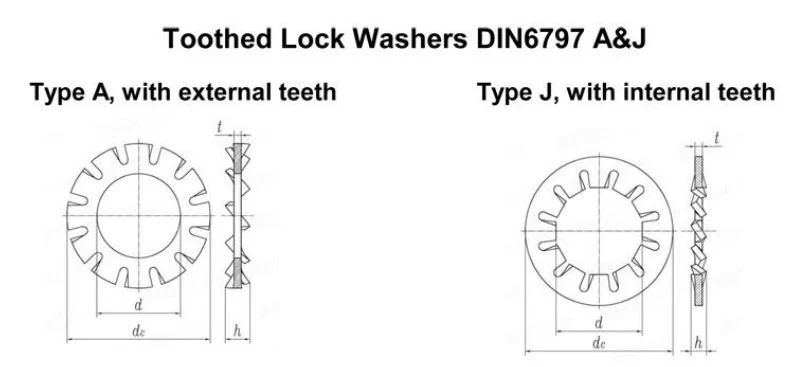
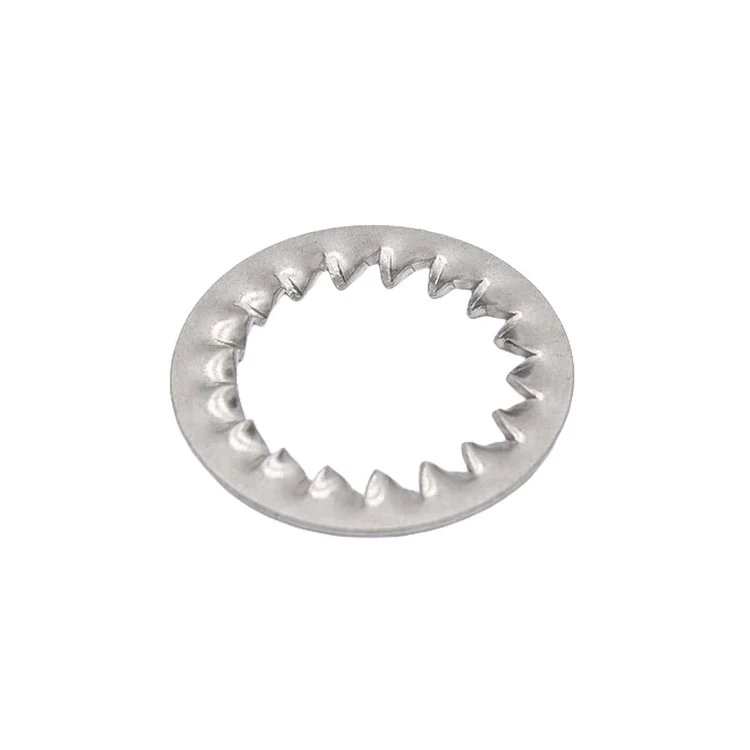
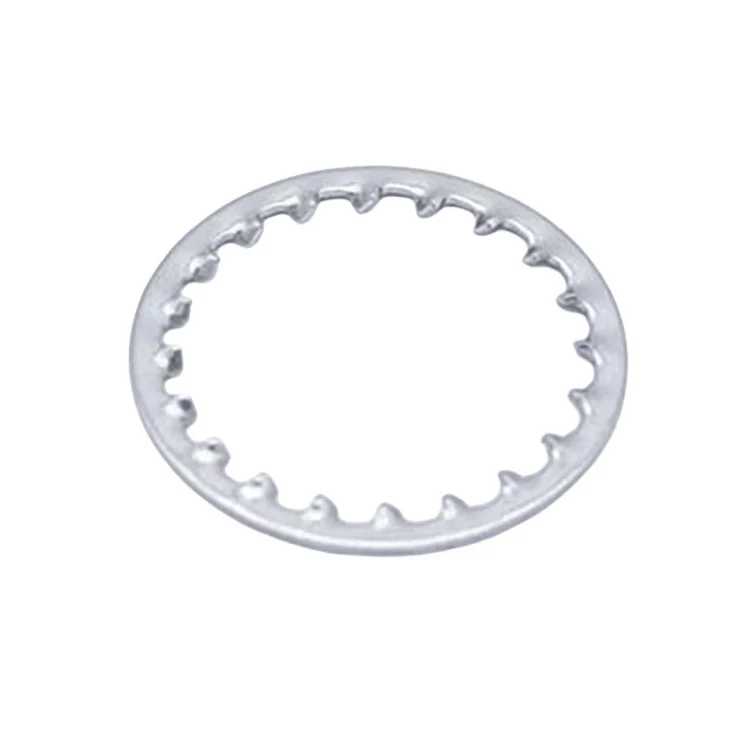
DIN 6797J internal tooth lock washers use an internal serration design to engage the underside of the screw head while keeping the washer's outside diameter compact. They are suitable for small screw heads, sheet-metal assemblies, electrical equipment, instruments and other fastening points with limited radial clearance.
Stamping parts manufacturer
Owned factory
Stamping capacity · 120 presses up to 450 T
Quotation response
The DIN 6797J size range is supplied according to the company's internal size chart, including outside diameter, inside diameter, thickness, tooth geometry and applicable screw sizes.
|
||||||||||||||||||||||||||||||||||||||||||||||||||||||||||||||||||||||||||||||||||||||||||||||||||||||||||||||||||||||||||||||||||||||||||||||||||||||||||||||||||||||||||||||||||||||||||||||||||||||||
|
||||||||||||||||||||||||||||||||||||||||||||||||||||||||||||||||||||||||||||||||||||||||||||||||||||||||||||||||||||||||||||||||||||||||||||||||||||||||||||||||||||||||||||||||||||||||||||||||||||||||
Standard sizes are supplied according to the confirmed specification. Non-standard dimensions, materials or tooth configurations can be produced from customer drawings or samples.
The J type is usually selected when the fastening point does not provide enough room for external teeth.
For example, it can be considered for:
The washer should be selected together with the screw head diameter and joint surface. The internal teeth need sufficient engagement with the underside of the screw head; an oversized or unsuitable screw head can reduce the effectiveness of the locking arrangement.
The serrations are concentrated around the bore rather than the outside edge. This gives the DIN 6797J three practical characteristics
The washer stays within a relatively small envelope, which is useful when adjacent components leave little radial clearance.
The internal teeth are positioned to engage the underside of the screw head during tightening.
The washer is installed together with the screw and does not require a separate locking mechanism, adhesive or special assembly component.
For production assembly, the screw, washer and mating surface should be evaluated as a complete joint rather than selecting the washer by nominal thread size alone.
|
|
||||||||
|
The important distinction is the tooth location, not simply the product name. If the available space around the screw head is restricted, the J type is generally the more appropriate configuration to evaluate. If the joint requires a larger external contact area, the A type may be more suitable.
Special coating requirements can be discussed according to material, operating environment and required corrosion performance.
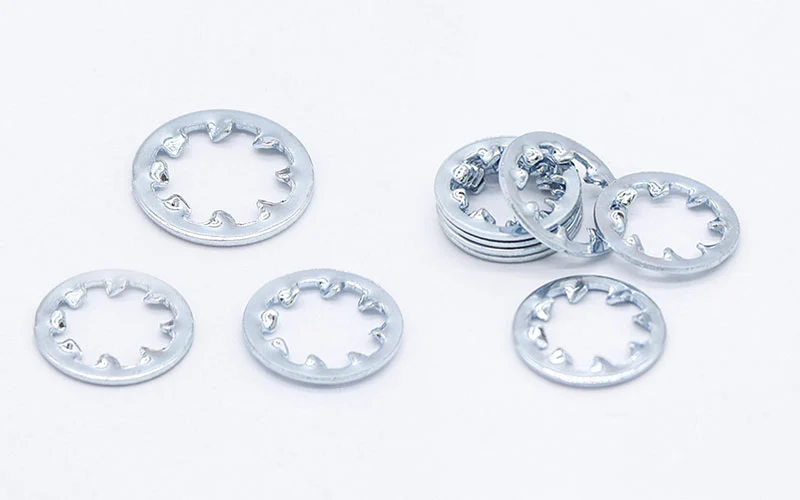
DIN 6797J Internal Tooth Lock Washer is a stamped component, so tooth consistency, dimensional control and forming stability are important to the finished washer.
At Ningbo Yinzhou Zhenhua, production can cover stamping, tooling development, progressive die processing and related machining operations. Internal tooling capability allows tooth geometry and washer dimensions to be developed according to confirmed drawings or samples.
Samples can be produced for dimensional and assembly verification before batch production.
The company's IATF 16949 quality management system supports process control from incoming material through stamping, inspection and final packing.
Before ordering DIN 6797J, it is worth confirming four points with the supplier
The internal teeth must have sufficient contact with the underside of the screw head.
The compact outer diameter is one of the main reasons to select the J configuration.
Aluminium, thin sheet and other softer materials require attention to tooth engagement and tightening conditions.
Choose stainless steel or a suitable coating according to humidity, salt exposure, chemicals and operating temperature.
For non-standard requirements, supplying the screw drawing, joint drawing or existing washer sample can help the engineering team confirm the appropriate configuration.
Yes. This is one of the main reasons to consider the J type. Because the serrations are located inside the washer's outer circumference, the washer can fit around a screw head without requiring the larger radial envelope associated with external-tooth designs. The actual suitability depends on the screw-head diameter and washer dimensions.
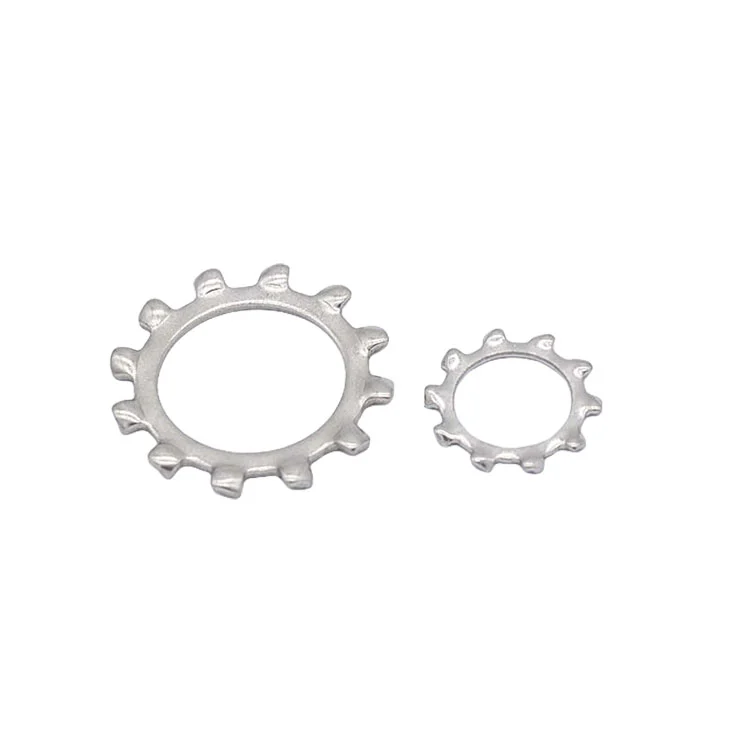
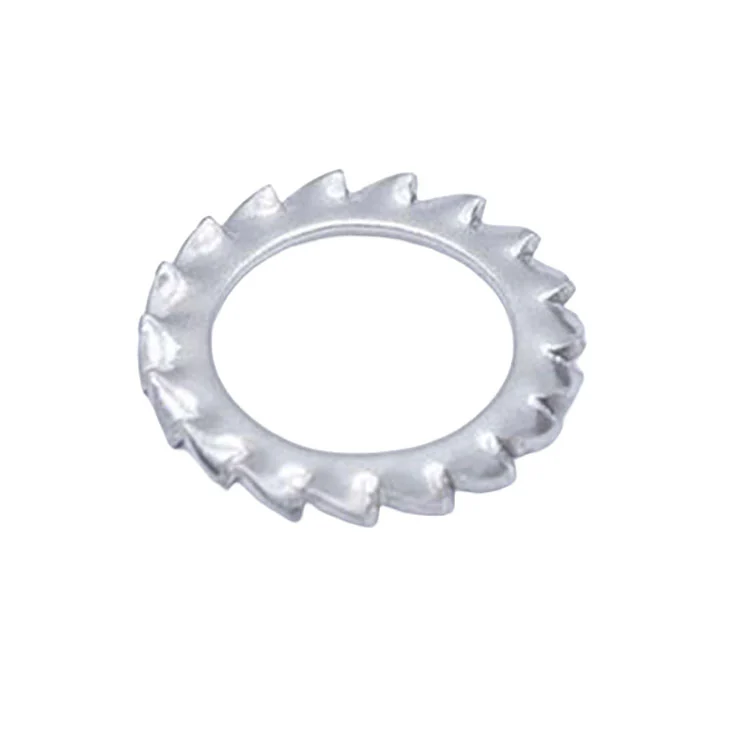
DIN 6797J has internal teeth, while DIN 6797A has external teeth. The J type is primarily useful when the area around the screw head is restricted. The A type provides serrations around the outside circumference and is generally more suitable where a larger external contact area is available.
It can be used with aluminium, but the joint should be evaluated carefully. Tooth geometry, tightening torque, screw-head dimensions and aluminium thickness all affect the final result. For softer substrates, avoiding excessive tightening is particularly important because excessive local pressure can damage the joint surface.
For critical fastening applications, replacement after disassembly is recommended. The teeth can deform or lose their original engagement after installation and removal. A new washer provides a more predictable locking condition during reassembly.
The washer should be positioned so that the internal serrations engage with the underside of the screw head. Tighten the screw according to the specified joint torque rather than using the washer as a substitute for the correct screw tightening procedure.
For general corrosion resistance, AISI 304 is a common choice. AISI 316 is better suited to chloride-rich, marine or corrosive environments. 65Mn is normally considered when the application places greater emphasis on hardness, elasticity and mechanical wear resistance.
Yes. Non-standard dimensions, materials, finishes and other production requirements can be reviewed against customer drawings or samples. For OEM projects, providing the mating screw specification is useful for confirming the tooth and dimensional requirements.
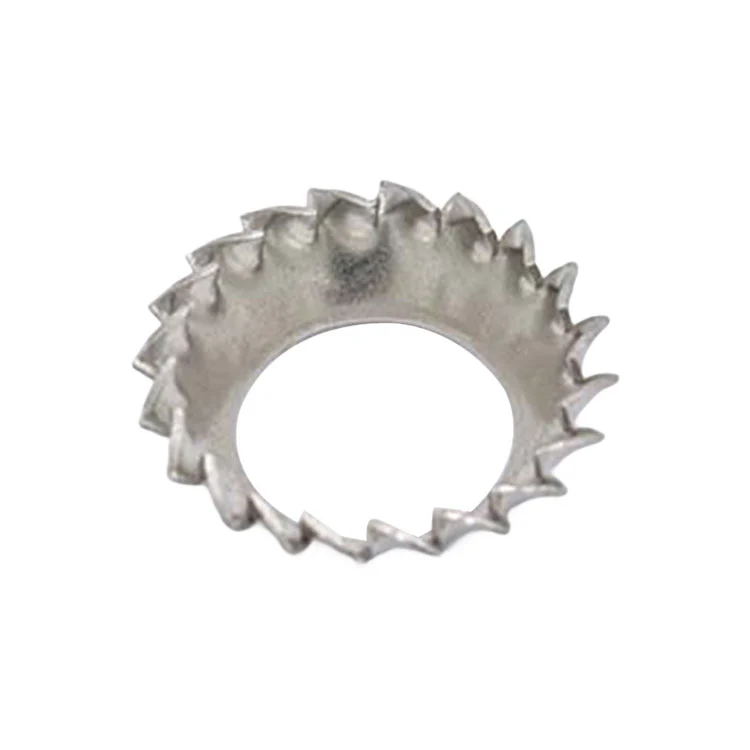
send your size, quantity and drawing for countersunk lock washers, and we will reply after confirming specifications and lead time.
✅ Get free sample!! Contact us today
✅ We will contact you within 24 hours
