
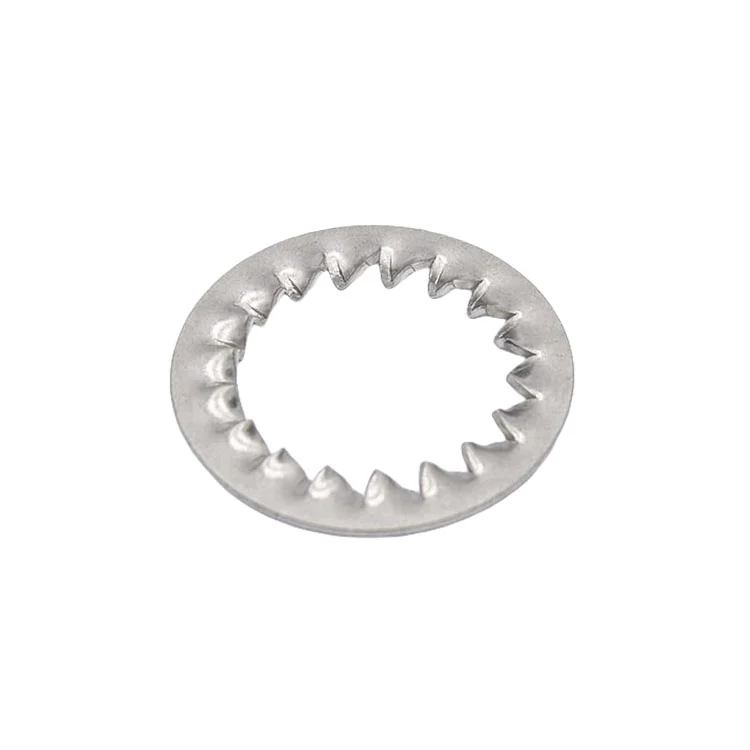
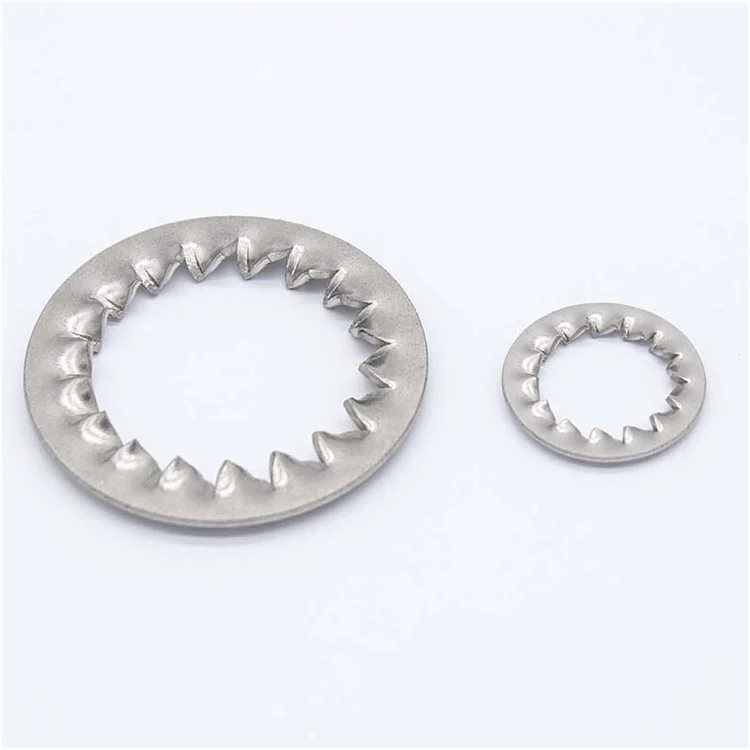
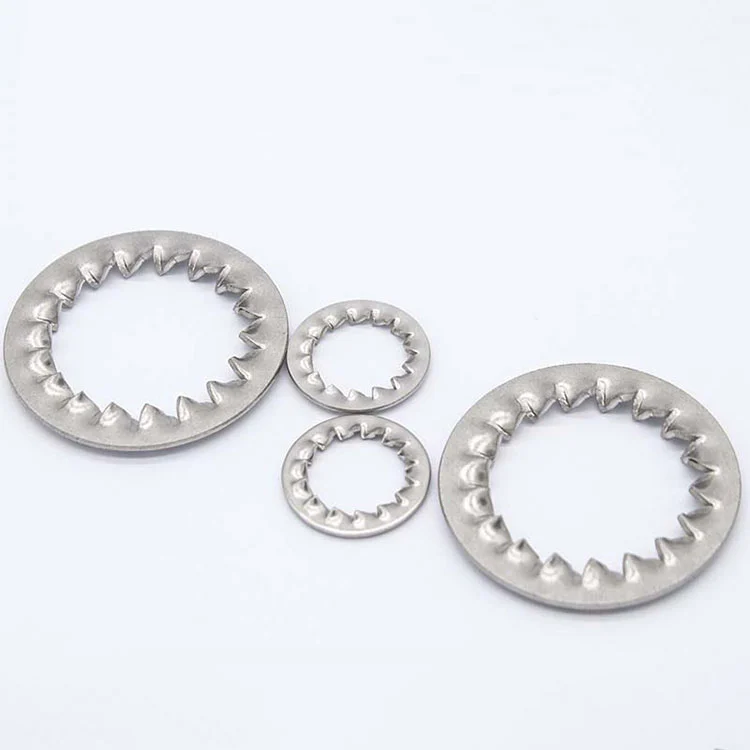
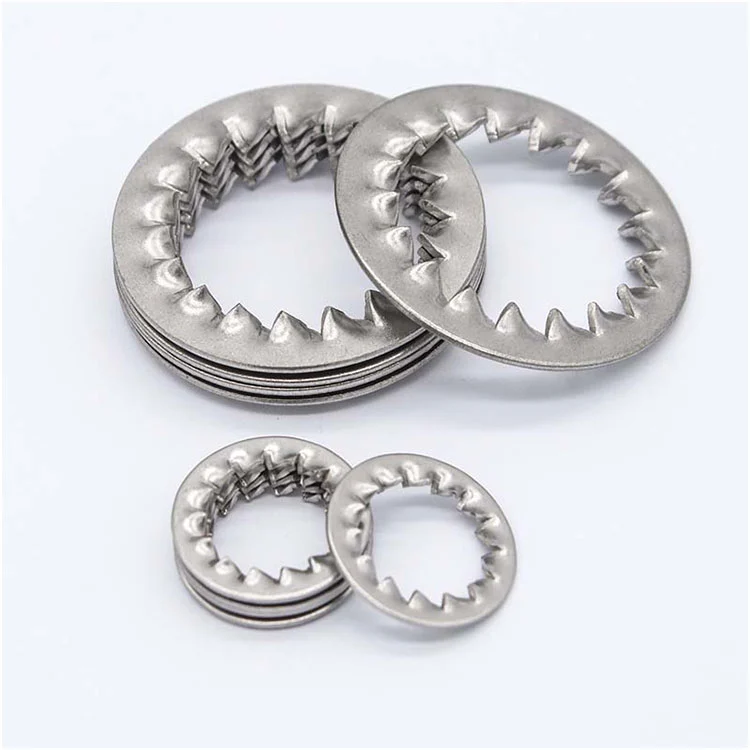
Internal-tooth bite + axial spring force | Compact OD, no extra outer clearance | OEM/ODM
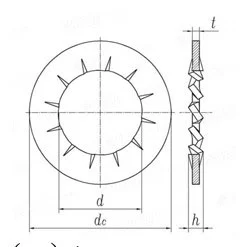
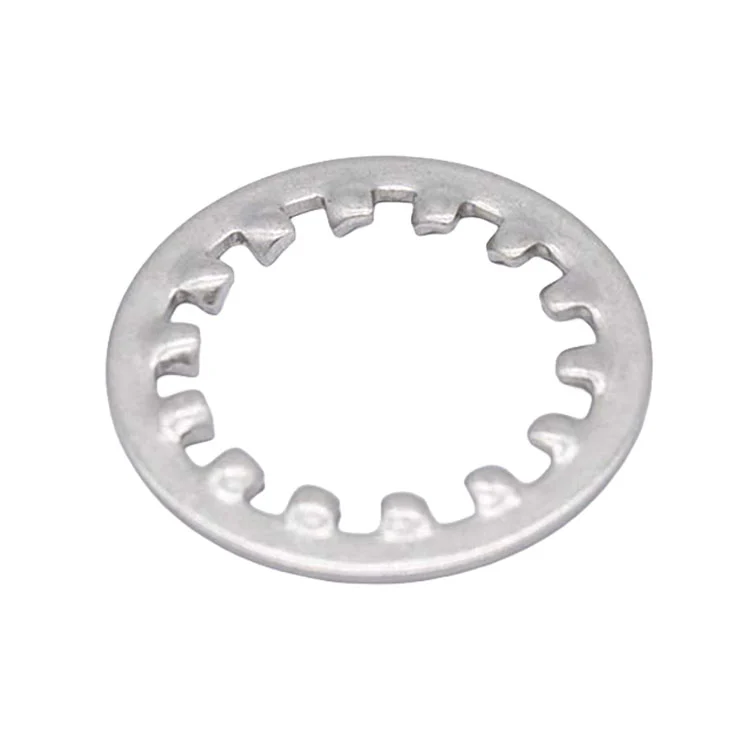
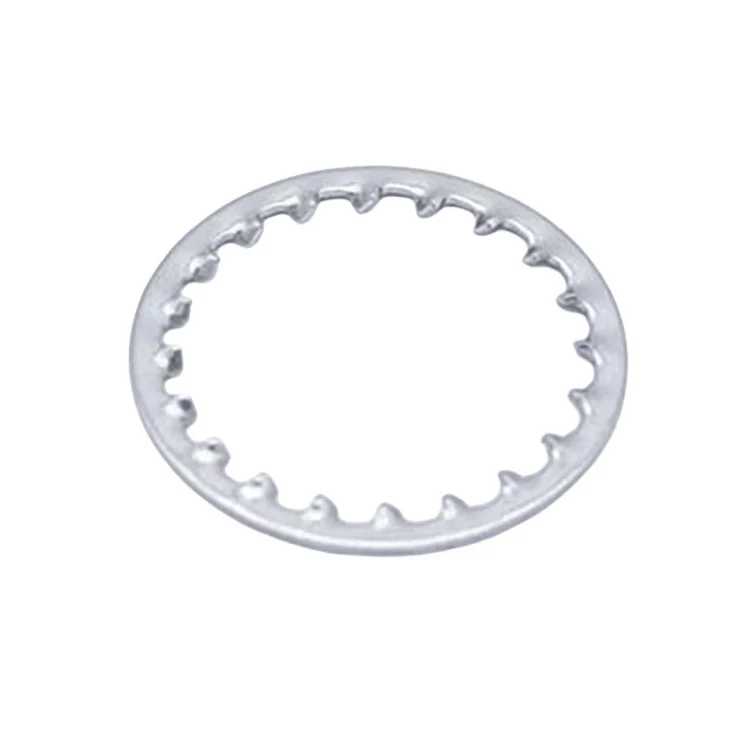
DIN 6798J Internal Serrated Lock Washers are designed for joints where the available space around the fastener head is limited. Their serrations are formed along the inner circumference rather than the outer edge, allowing the washers to remain relatively compact around the screw head.
Stamping parts manufacturer
Owned factory
Stamping capacity · 120 presses up to 450 T
Quotation response
|
||||||||||||||||||||||||||||||||||||||||||||||||||||||||||||||||||||||||||||||||||||||||||||||||||||||||||||||||||||||||||||||||||||||||||||||||||||||||||||||||||||||||||||||||||||||||||||||||||||||||
|
||||||||||||||||||||||||||||||||||||||||||||||||||||||||||||||||||||||||||||||||||||||||||||||||||||||||||||||||||||||||||||||||||||||||||||||||||||||||||||||||||||||||||||||||||||||||||||||||||||||||
For sizes outside the standard range, production can be based on customer drawings, samples or specified dimensional requirements. Please confirm the required screw size, material and finish before production.
When the screw or bolt is tightened, the inner teeth press against the underside of the fastener head and the mating surface. At the same time, the washer body is compressed and provides spring action within the joint. The locking effect therefore comes from the interaction between the tooth engagement and the washer's elastic deformation.
This configuration is particularly useful when an external-tooth washer would extend too far beyond the fastener head or interfere with nearby components. Ningbo Yinzhou Zhenhua manufactures DIN 6798J Internal Serrated Lock Washers in AISI 304 (A2), AISI 316 (A4) and 65Mn, with standard and drawing-based production available for industrial and OEM applications.
|
|
|||||||||||
|
The most useful distinction when selecting between DIN 6798J and DIN 6797J is the washer geometry and the applicable standard, rather than simply the words “internal tooth.” When replacing one with the other, check the actual dimensional requirements, fastener head diameter and washer profile instead of assuming that the two parts are interchangeable.
Likewise, DIN 6798J should not be selected solely because the assembly is small. If there is enough surrounding space and a larger contact area is preferred, an external-tooth design may be more appropriate.
Material selection should take into account both the washer and the mating fastener. For stainless-steel assemblies exposed to moisture or corrosive media, the complete joint material combination should be considered rather than selecting the washer independently..
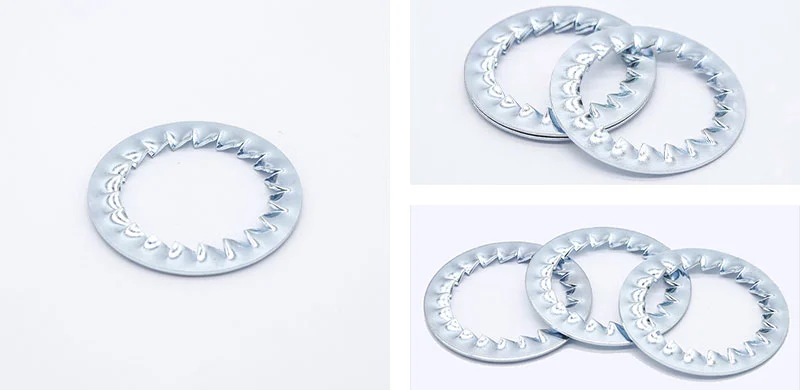
Choose DIN 6798J when the area around the screw head is restricted and an external serration would extend into adjacent components or mounting features. The internal-tooth arrangement keeps the locking teeth within the washer perimeter.
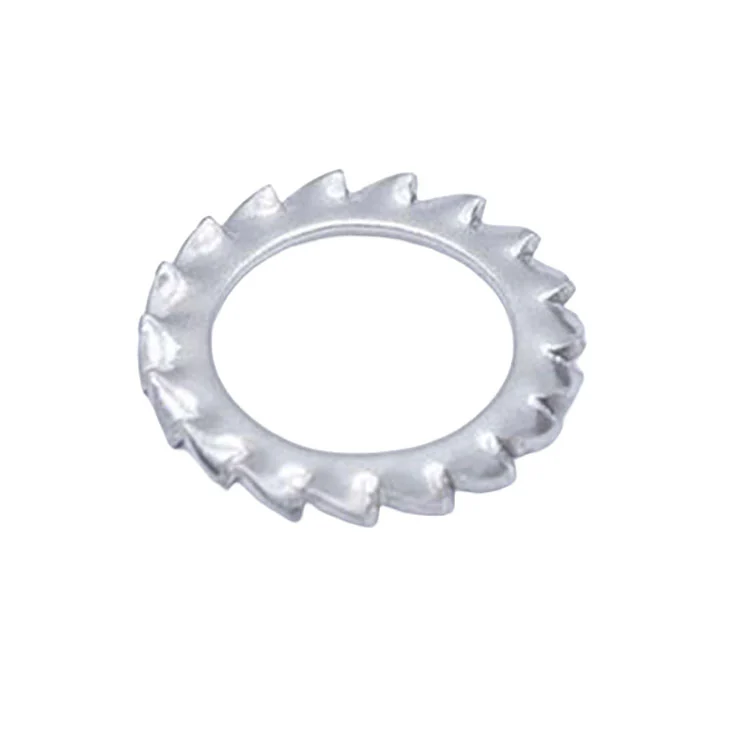
If there is sufficient surrounding space and a larger outer contact area is more important, an external-tooth design such as DIN 6798A may be worth considering.
Not necessarily. The screw head must provide suitable bearing contact with the washer, and the washer dimensions must match the fastener. For small screws, countersunk heads or specially shaped fasteners, the actual head diameter and underside geometry should be checked before ordering.
For OEM production, providing the screw drawing or sample is the safest way to confirm the washer selection.
Excessive torque can flatten or deform the serrations and permanently compress the washer. Once the tooth profile or spring characteristics have been significantly altered, the original locking performance may not be maintained.
The tightening torque should therefore be determined from the complete joint design, including the screw grade, mating material and required clamp load.
It depends on the coating and the required locking performance. The internal teeth need to establish sufficient mechanical engagement with the mating surfaces. A thick, soft or easily damaged coating can change the way the teeth engage and may affect preload or surface protection.
For coated assemblies, it is better to evaluate the washer, coating thickness and tightening condition together rather than selecting the washer independently.
For production maintenance and vibration-sensitive joints, replacement is recommended after disassembly. The teeth may have been embedded into the mating surfaces during the first tightening, and the tooth profile can change during removal.
For critical assemblies, using a new washer provides a more predictable locking condition.
Yes. Non-standard dimensions and production requirements can be reviewed from customer drawings or samples. The inquiry can include washer dimensions, material, tooth geometry, surface treatment, quantity and packaging requirements.
For a new application, providing the screw specification and mating material together with the washer drawing makes engineering review more accurate.
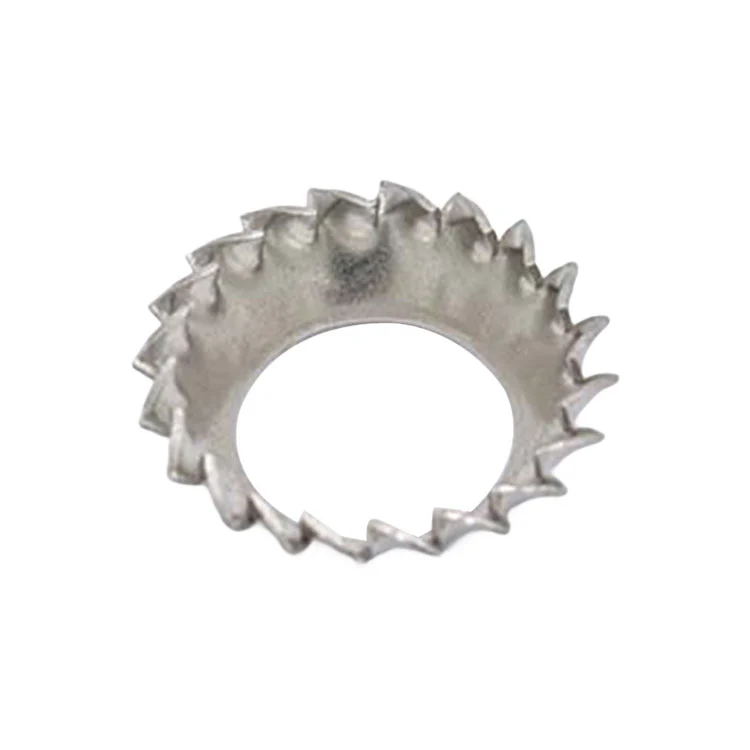
send your size, quantity and drawing for countersunk lock washers, and we will reply after confirming specifications and lead time.
✅ Get free sample!! Contact us today
✅ We will contact you within 24 hours
