
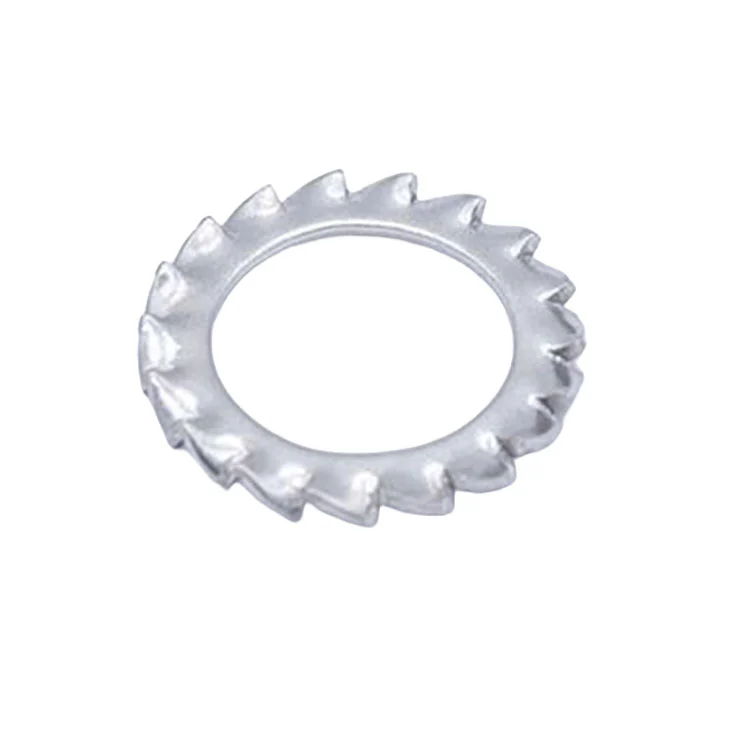
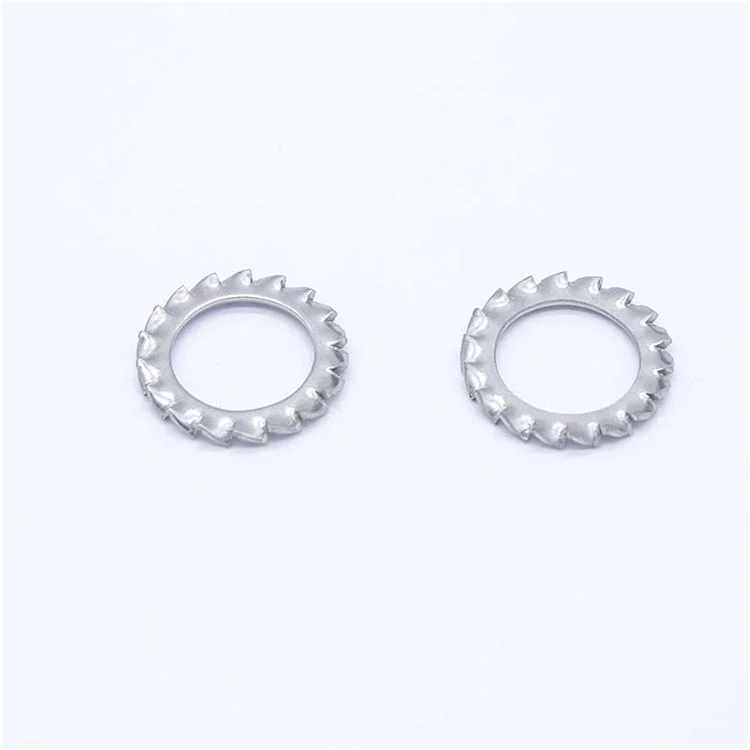
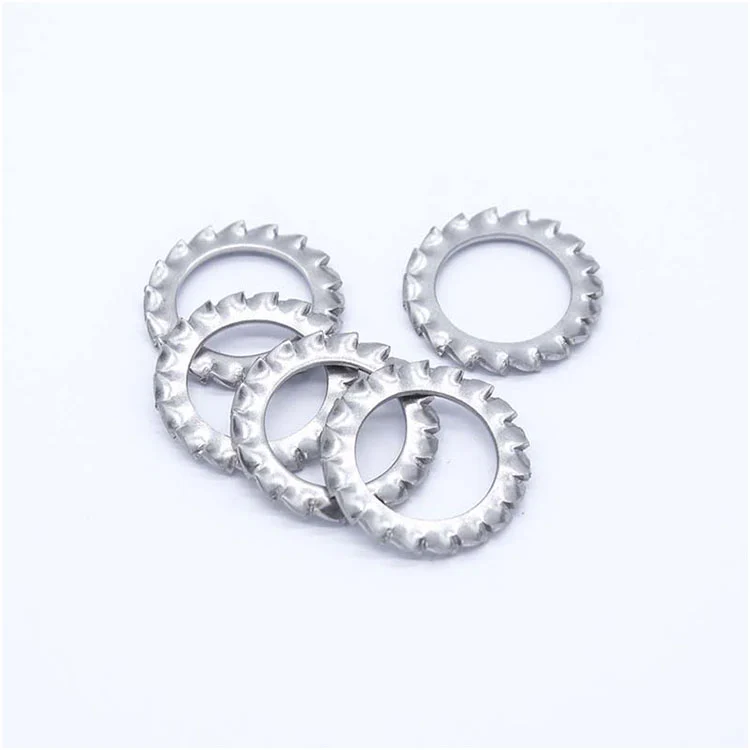
External-tooth bite + axial spring force | Needs sufficient outer clearance | OEM/ODM
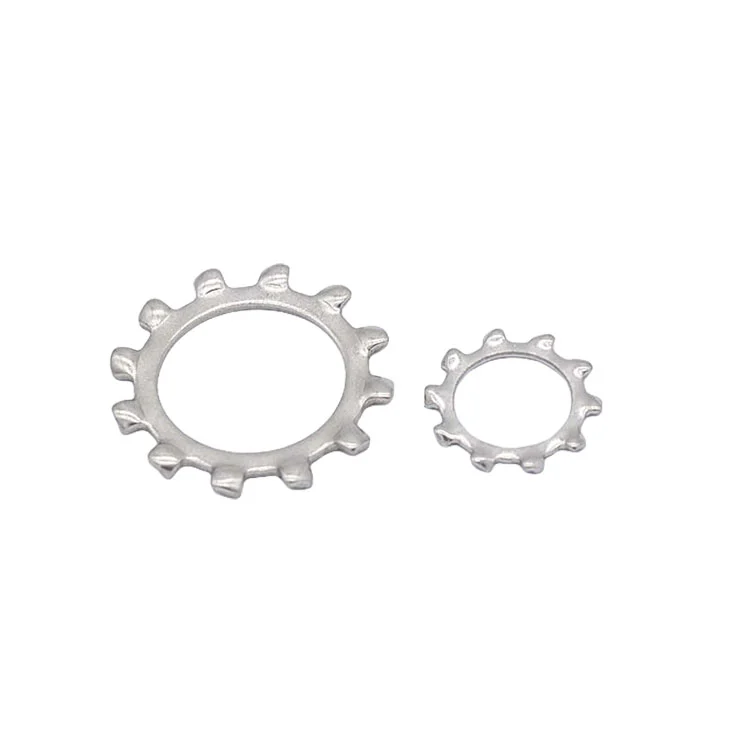
DIN 6798A external serrated lock washers with outward-facing teeth for mechanical locking under vibration. Available in AISI 304, AISI 316 and 65Mn, with custom sizes, finishes and OEM production for sheet metal, machinery and electrical assemblies.
Stamping parts manufacturer
Owned factory
Stamping capacity · 120 presses up to 450 T
Quotation response
|
||||||||||||||||||||||||||||||||||||||||||||||||||||||||||||||||||||||||||||||||||||||||||||||||||||||||||||||||||||||||||||||||||||||||||||||||||||||||||||||||||||||||||||||||||||||||||||||||||||||||
|
||||||||||||||||||||||||||||||||||||||||||||||||||||||||||||||||||||||||||||||||||||||||||||||||||||||||||||||||||||||||||||||||||||||||||||||||||||||||||||||||||||||||||||||||||||||||||||||||||||||||
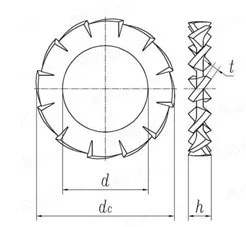
Standard sizes are supplied according to the company chart. Non-standard dimensions can be manufactured from customer drawings or samples.
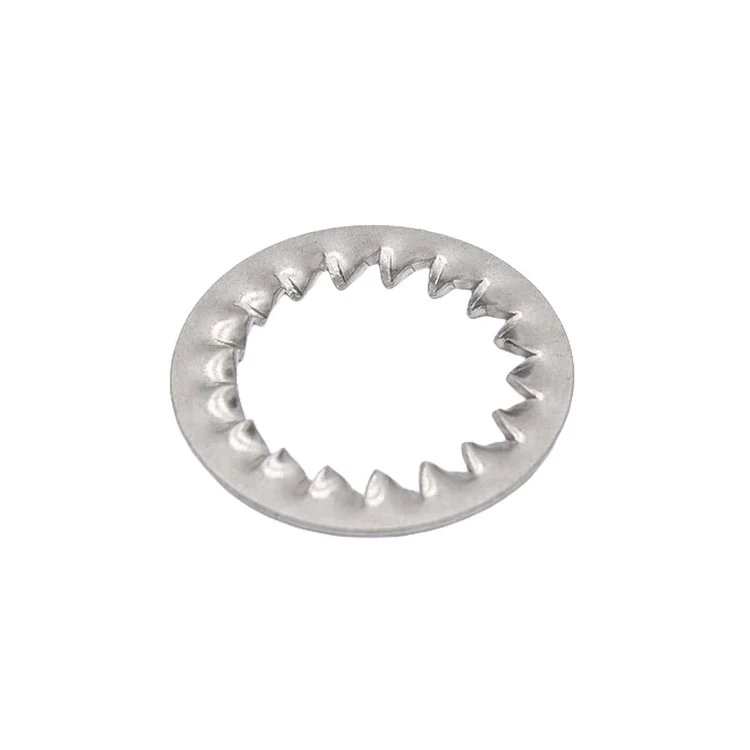
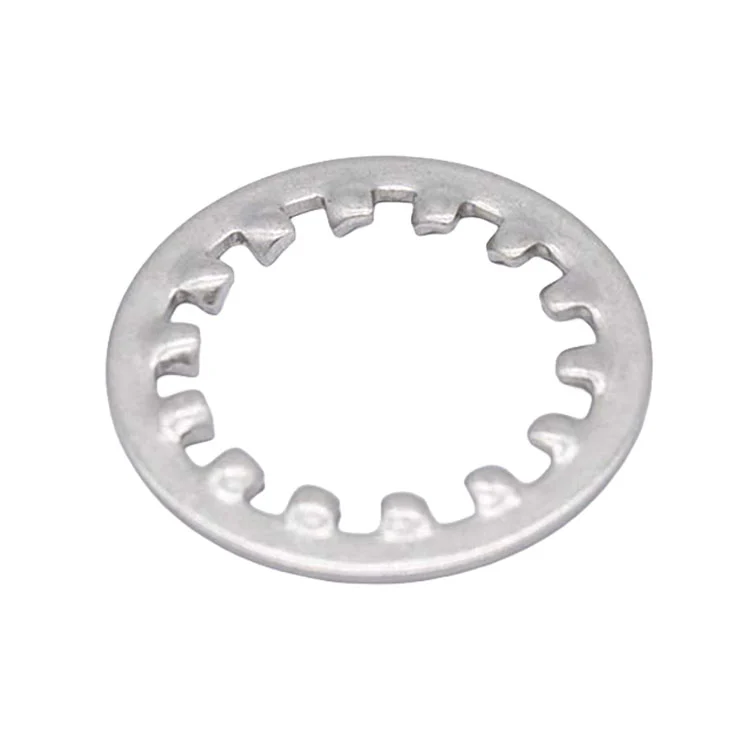
The main difference between serrated washer types is the position of the teeth and the space required around the fastener.
|
|
|||||||||||
|
DIN 6798A and DIN 6798J should not be selected simply by bolt size. The washer outside diameter, bore diameter, fastener head or nut size, available clearance and mating surface should all be checked.
DIN 6797A/J belong to the related serrated washer series. When substituting between standards, confirm the actual dimensions and tooth geometry required for the assembly rather than assuming that nominal sizes are interchangeable.
DIN 6798A can be supplied in stainless steel and spring-steel materials according to the mechanical and environmental requirements of the application.
A practical choice for general industrial equipment, machinery, electrical enclosures and outdoor assemblies where moderate corrosion resistance is required.
Suitable for environments with higher exposure to moisture, chlorides or frequent cleaning, including marine, chemical and washdown applications.
A spring-steel option where mechanical strength, elasticity and repeated loading are important. It is generally selected when corrosion resistance is less critical than the required mechanical properties.
Material selection should also consider the bolt, nut and mating material, particularly in outdoor or corrosive environments.
Available surface finishes depend on the selected base material and application requirements.
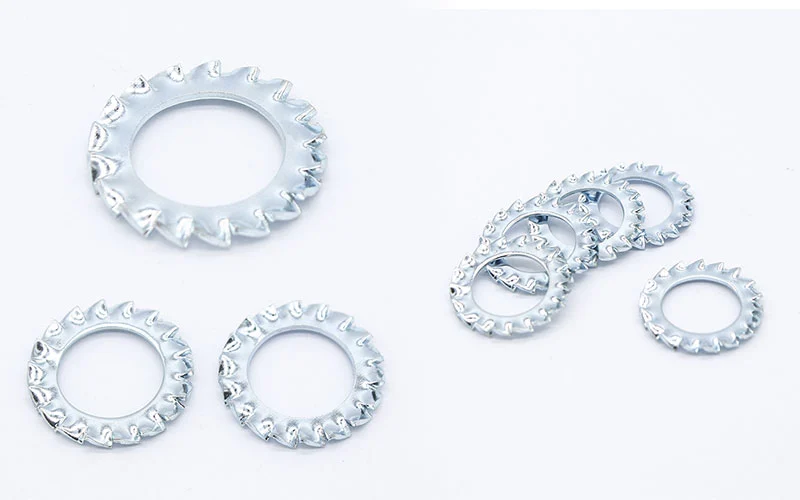
Before selecting DIN 6798A, the following points should be checked
The external teeth increase the washer's overall diameter. Make sure adjacent components do not interfere with the washer.
The tooth tips need to engage with the contacting surfaces. Very soft, fragile or highly finished surfaces may require application-specific evaluation.
Check the bolt or nut size together with the washer's actual inner and outer diameters. Nominal bolt size alone is not enough to confirm fit.
Select AISI 304, AISI 316 or 65Mn according to corrosion exposure, mechanical requirements and the materials used elsewhere in the joint.
The washer should be installed with the toothed surfaces positioned against the intended mating surfaces. Tightening torque should follow the requirements of the bolt and joint rather than using a universal washer torque value.
After removal, inspect the tooth profile and contact surfaces. For critical or vibration-sensitive joints, replacing the washer is recommended rather than relying on previously deformed teeth.
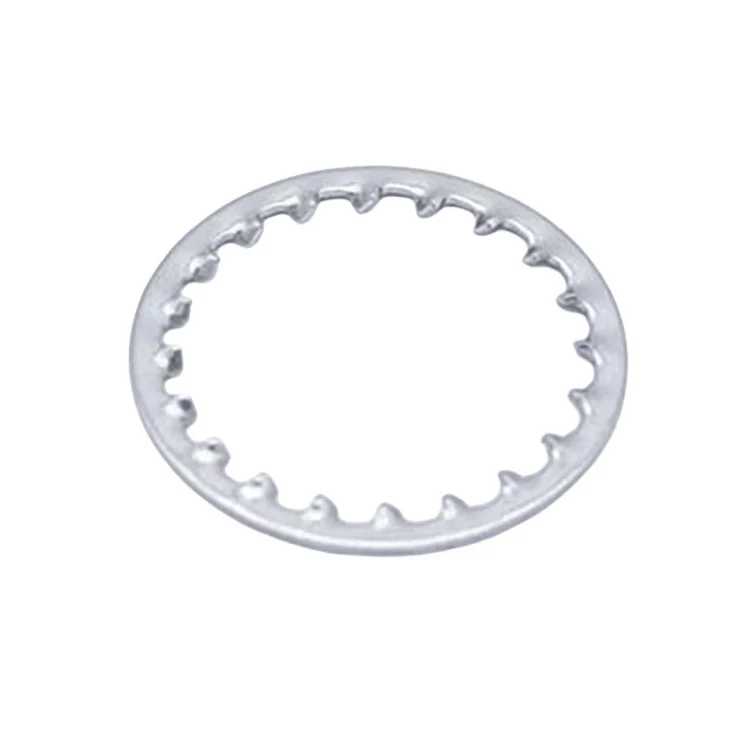
Choose DIN 6798A when there is enough space around the bolt head or nut for the external teeth and the outer diameter of the washer. DIN 6798J uses internal teeth and may be more suitable when the outside space around the fastener is restricted.
The required clearance depends on the selected washer outside diameter and the surrounding components. Check the actual OD shown in the applicable size chart against the available mounting space before ordering.
It can be used in sheet-metal and aluminium assemblies, but the tooth geometry, material hardness, surface condition and tightening torque should be considered together. On softer materials, excessive tightening can damage the mating surface or flatten the tooth profile.
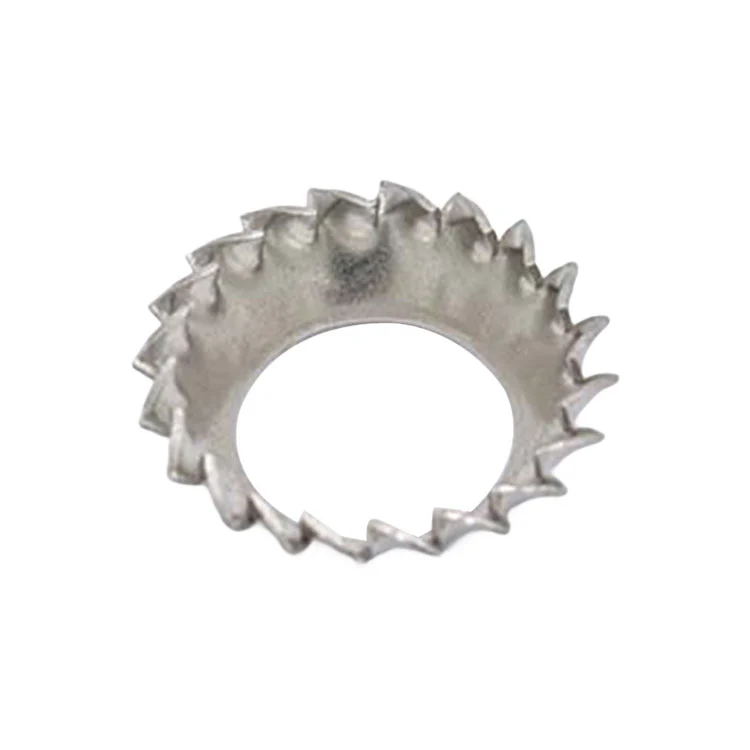
Not as a general rule. DIN 6798A is normally selected for joints with a suitable flat bearing area under the fastener. If the screw head or joint geometry is countersunk, the washer must be checked against the actual seating arrangement before use.
Reuse is generally not recommended for critical joints. The serrations may deform or remain embedded in the mating surfaces after the first installation, which can change the locking performance. A new washer is preferable during maintenance or reassembly.
AISI 304 is a common choice for general corrosion-resistant applications. AISI 316 is better suited to chloride, marine and frequent-washdown environments. 65Mn is selected primarily for mechanical and spring properties where stainless corrosion resistance is not the main requirement.
Yes. Customer drawings or physical samples can be used to review dimensions, material, tooth geometry, surface finish and other requirements before production. Non-standard specifications should be confirmed by engineering before quotation.
For an accurate quotation and selection review, provide the required inner diameter, outer diameter, thickness, material, surface finish, bolt or nut size, application environment, annual quantity and drawing or sample if available.
For standard or non-standard DIN 6798A external serrated lock washers, send us your required size, material, surface finish and quantity. For custom applications, a drawing or sample allows our engineering team to review the washer design and mounting conditions before production.
send your size, quantity and drawing for countersunk lock washers, and we will reply after confirming specifications and lead time.
✅ Get free sample!! Contact us today
✅ We will contact you within 24 hours
